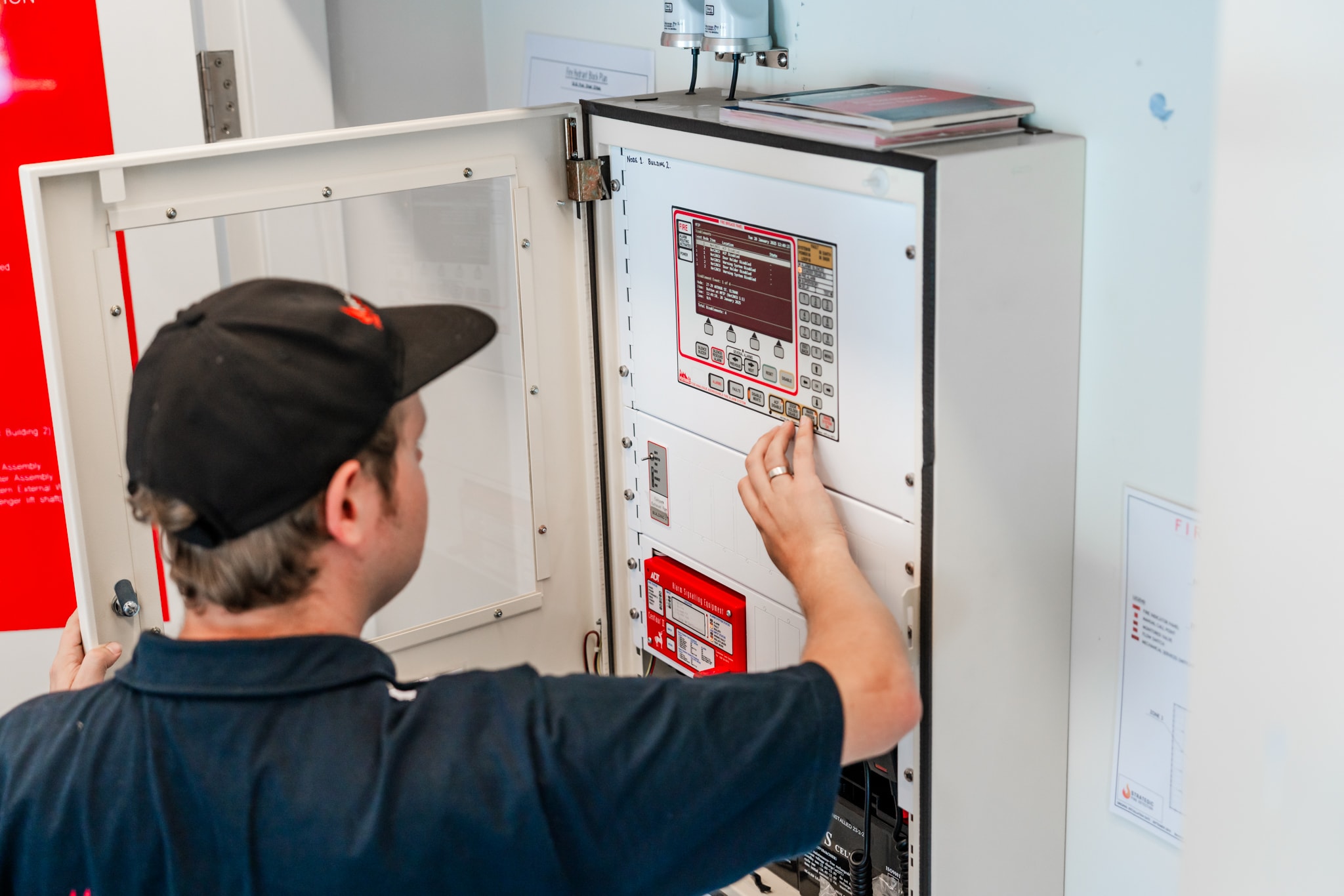
If you manage a building in Victoria, the Annual Essential Safety Measures Report (AESMR) is not just paperwork. It’s one of the clearest ways to prove your building is genuinely on top of fire safety ESM compliance in Victoria, rather than just assuming it is.
In this article, I explain what the Annual Essential Safety Measures Report Victoria process actually checks in fire safety, who is responsible, what documentation you need to have ready and why so many buildings get caught out when different contractors service different fire safety systems.
You will also learn what happens when a defect is identified and how to reduce your fire compliance Victoria risk with clearer reporting, tighter oversight, and the right ESM partner.
What you’ll learn in this article:
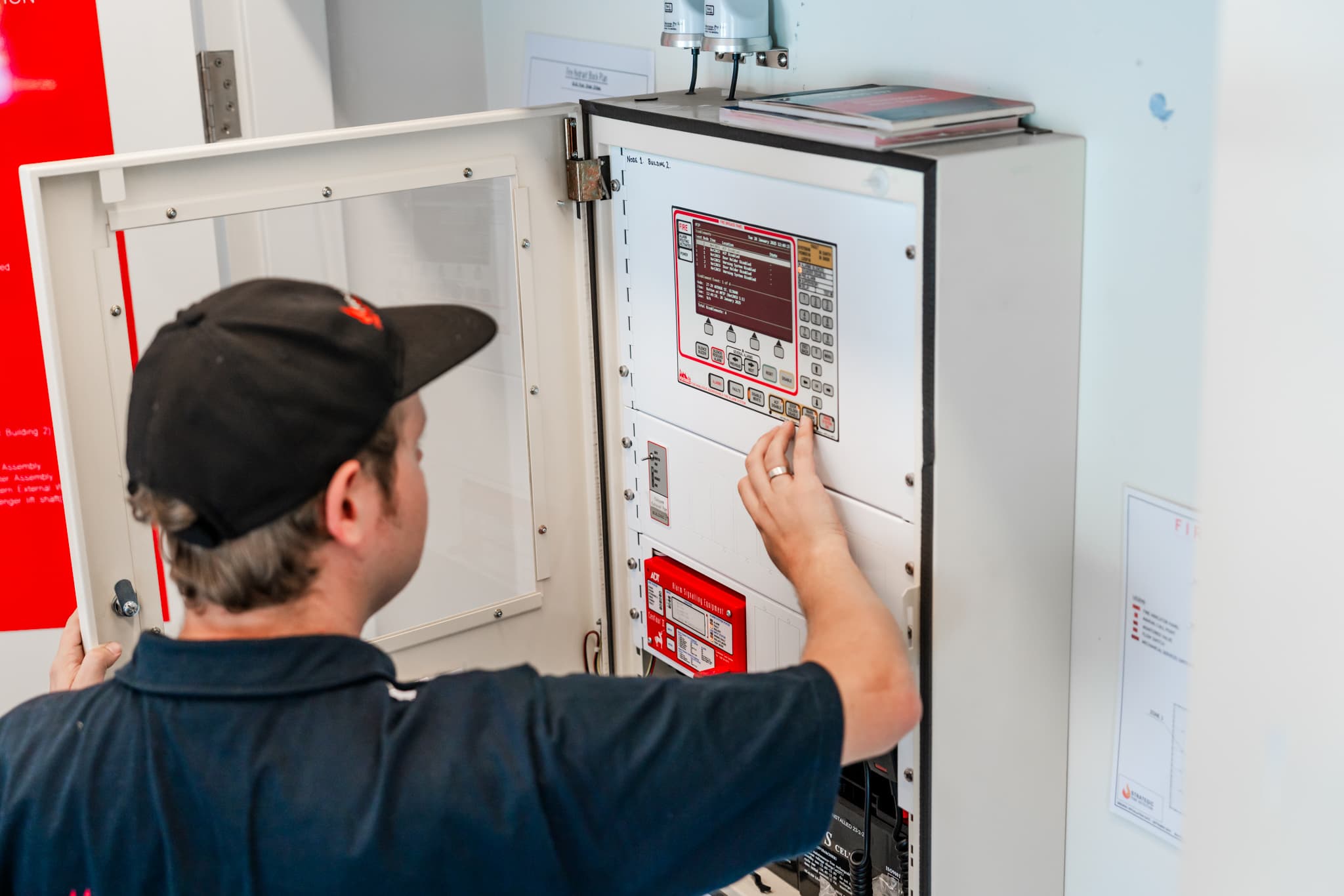
When people hear the term Annual Essential Safety Measures Report, they often assume it’s just another compliance document that gets signed and filed away.
But in Victoria, the Annual Fire Safety ESM Report plays a much bigger role than most building owners and managers realise.
And in many cases, it’s the document that proves whether a building is actually fire safety compliant or just assumed to be.
For property managers, strata managers and building owners, understanding what this report really proves is important because most compliance issues arise from complacency.
Fire safety issues happen because something was missed. So, here’s what you need to know.
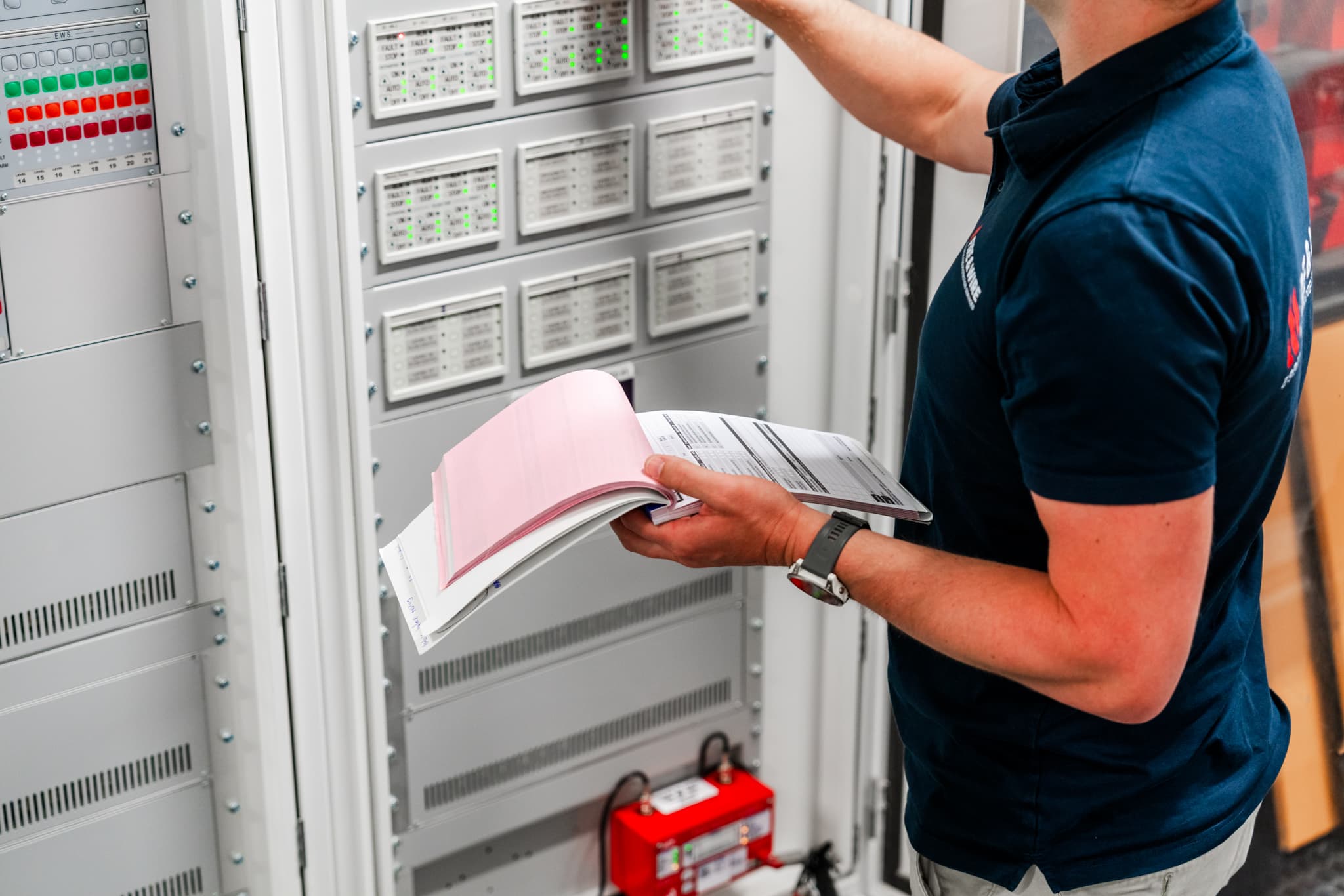
Annual ESM Report Isn’t Just a Report. It’s Independent Verification.
Most buildings have multiple essential safety measures that must be tested at different intervals throughout the year in order to be up to code with building fire safety compliance in Victoria.
That includes systems like:
These fire safety systems are typically tested monthly, six-monthly and annually, depending on the system and the requirements under Australian Standards.
The Annual Essential Safety Measures Report sits on top of this servicing schedule.
The Annual ESM fire safety report acts as an independent review to confirm that:
In simple terms, the Annual ESM Report confirms whether the servicing program for the building’s fire safety measures is actually covering everything it should.
And this is where many buildings in Victoria get caught out with fire safety issues.
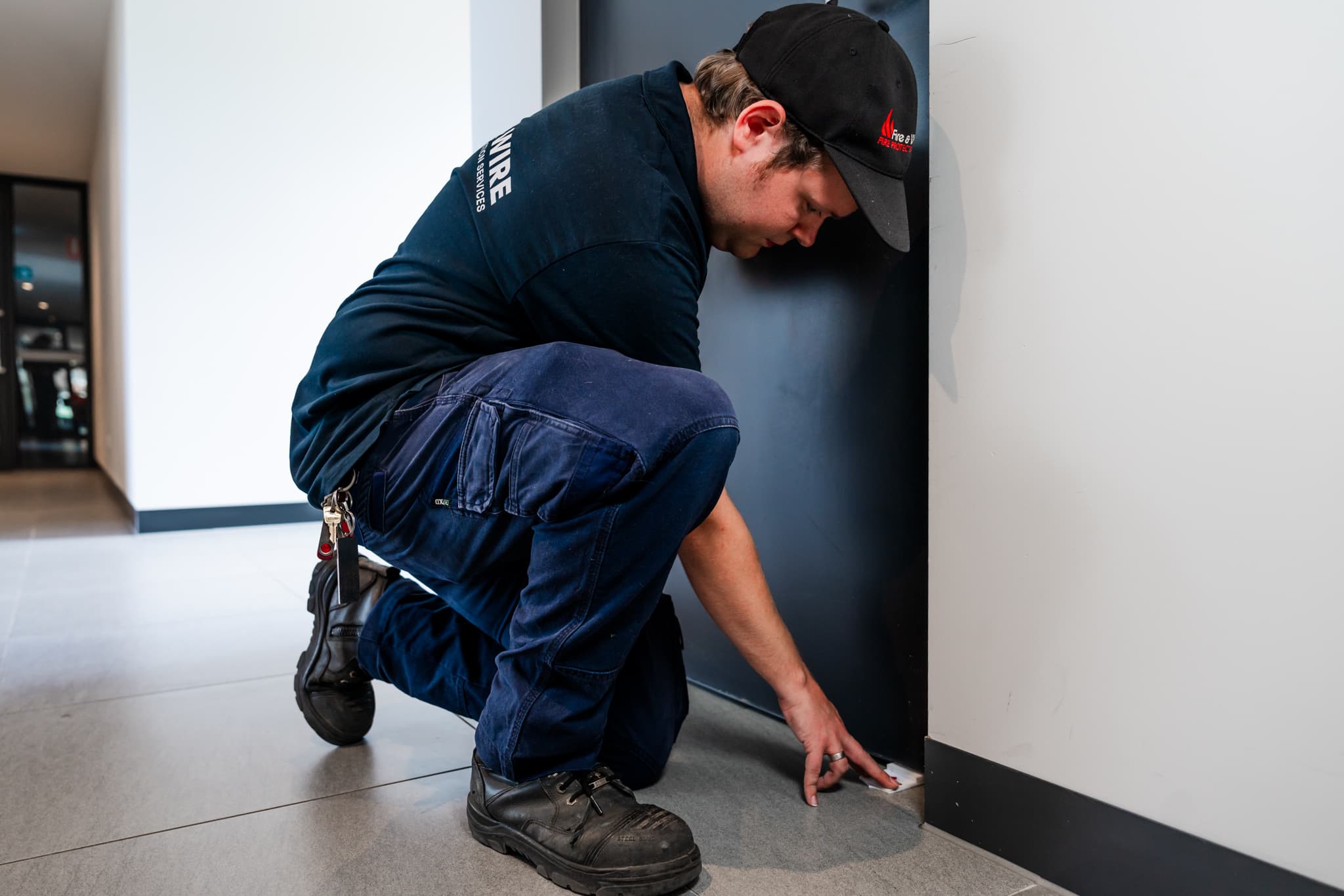
Where Buildings Get Caught Out: The “Patchwork Contractor” Problem
One of the most common issues I see is what I call the “patchwork contractor” problem.
A building might have:
On paper, it looks like everything is covered.
But when an Annual ESM fire safety audit is completed, gaps sometimes appear like:
Not because anyone intended to do the wrong thing.
But it’s because when multiple fire safety contractors are involved, it becomes very easy for something to be missed.
The Annual ESM fire safety Report is often the document that brings those gaps to light.
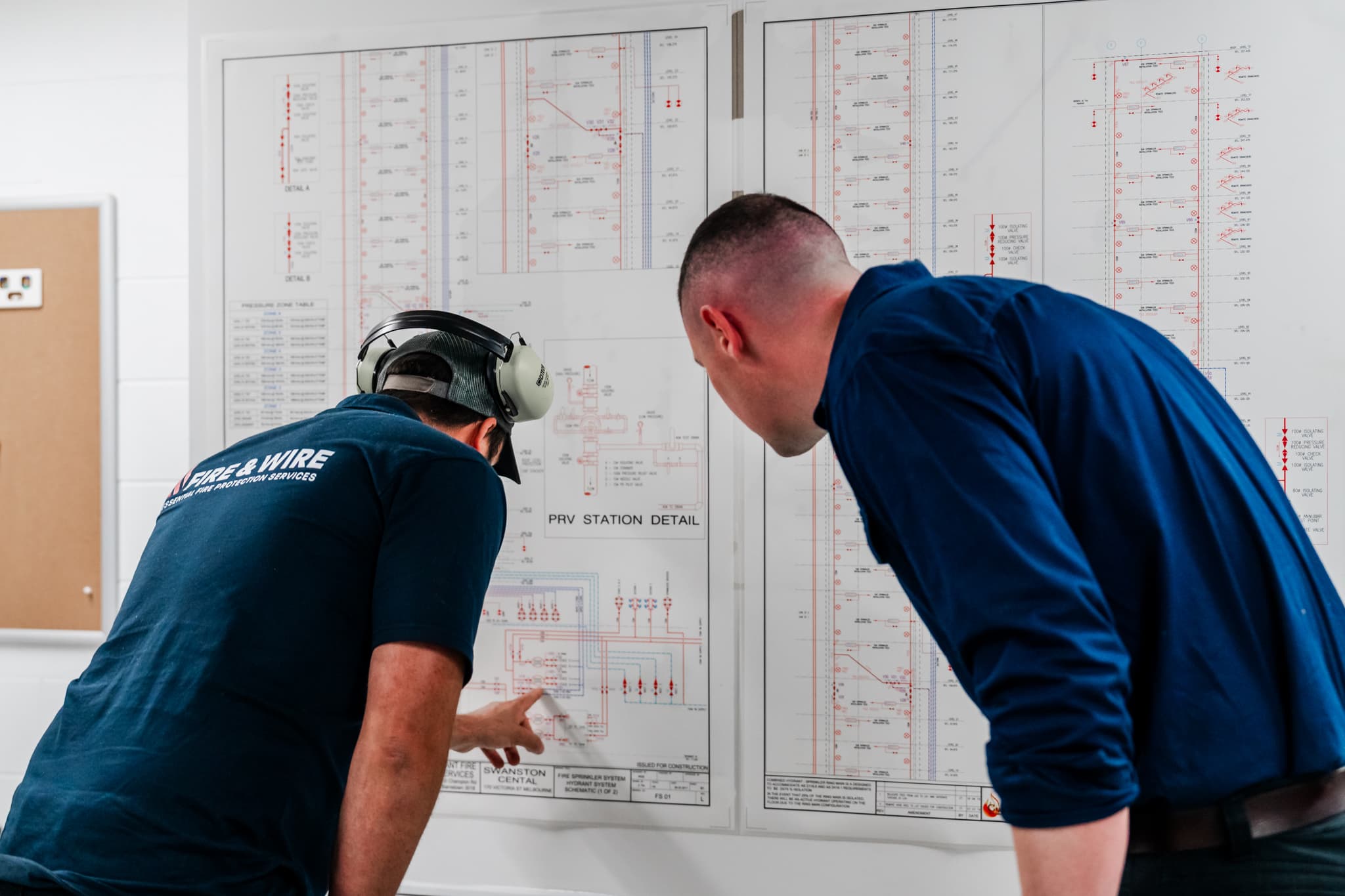
Who Is Responsible for the Annual ESM Report in Victoria?
This is one of the most important things building owners and managers need to understand.
In Victoria, the responsibility for Essential Safety Measures in building fire safety sits with the building owner. In many cases, this responsibility is managed by property managers or strata managers on behalf of the owner.
What surprises many people is that in Victoria, the requirements around who can sign an Annual ESM Report are different to other states.
Why?
Because when someone signs that report, they’re taking responsibility for confirming the building’s essential fire safety measures have been maintained in accordance with the requirements.
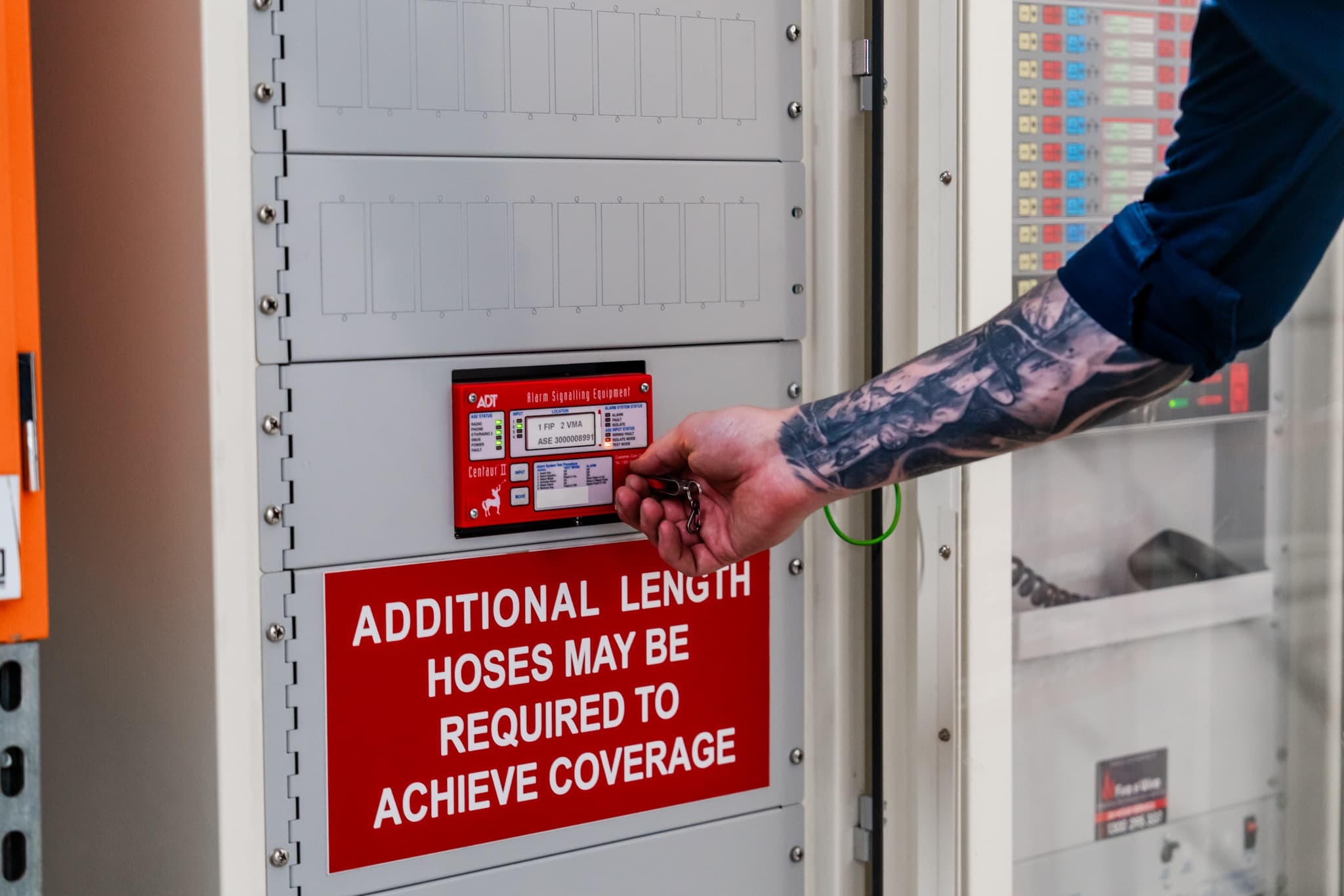
What Documents Do You Need for an Annual ESM Report?
To complete an Annual Essential Safety Measures Report properly, documentation is critical.
Typically, this includes:
This is why clear reporting and structured documentation are such an important part of essential safety measures compliance.
Without accurate records, it becomes very difficult to demonstrate a building’s fire safety compliance, even if the physical systems themselves are in place.
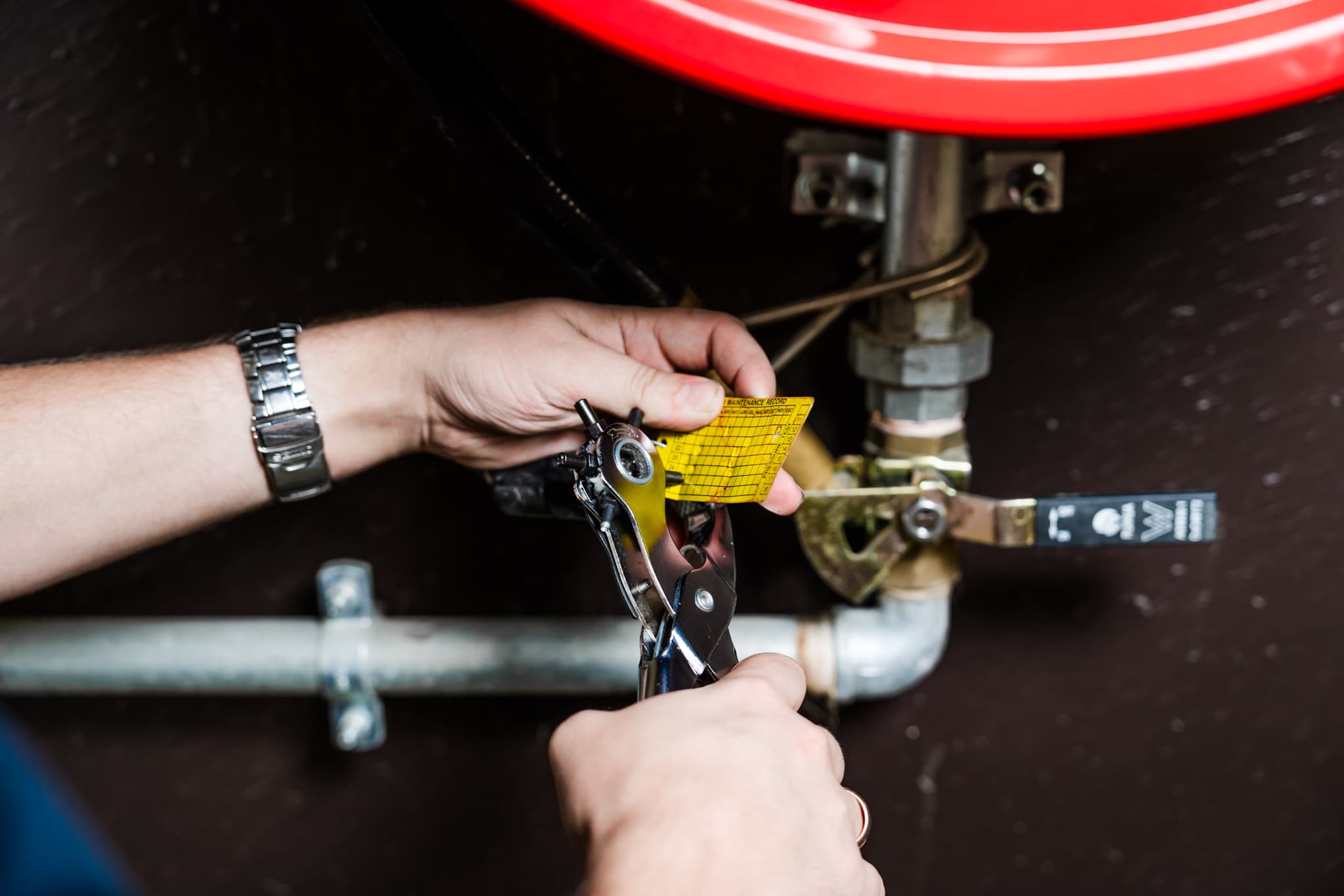
What Happens If There’s a Defect?
An Annual ESM Report doesn’t mean everything in a building is perfect. What it does is document the current status of the essential safety measures in the building.
If a building’s fire safety system fails a test or a defect is identified, that defect must be recorded and a plan must be put in place to rectify it.
This is another reason why the report is important. It provides documented visibility.
The annual building fire safety report allows building owners and managers to see:
When reporting and servicing are managed properly, the Annual ESM Report should never come as a surprise. It should confirm what you already know about the condition of your building’s systems.
At the end of the day, essential fire safety measures exist for one reason: to protect the people who live and work in a building.
Frequently Asked Questions About Annual Essential Safety Measures Reports
What’s an Annual Essential Safety Measures Report?
An Annual Essential Safety Measures Report is a document that confirms all essential safety measures within a building have been inspected, tested and maintained in accordance with the required standards and the building’s Occupancy Permit.
Who is responsible for the Annual ESM Report in Victoria?
In Victoria, the responsibility for essential safety measures sits with the building owner, although this responsibility is often delegated to a property manager or strata manager.
What documents are required for an Annual ESM Report?
To complete an Annual Essential Safety Measures Report properly, accurate documentation is required. This typically includes maintenance reports, test reports, logbooks, Occupancy Permit requirements and records of any defects and rectification works.
Why do buildings fail essential safety measure audits?
Buildings most commonly fail audits not because no servicing was completed, but because something was missed. This can include missed servicing intervals, incomplete documentation, or gaps in coverage when multiple contractors are responsible for different systems within the building.
Ready to Strengthen Your Essential Safety Measures Compliance?
As a Melbourne-based Essential Service Maintenance (ESM) provider in Victoria, I understand that Annual Essential Safety Measures Reports aren’t just compliance paperwork. They’re a confirmation that your building’s fire safety systems are being maintained properly, documented properly and reviewed properly.
Our experienced Victorian ESM team supports building owners and property managers with:
If you want confidence that your building’s essential safety measures are compliant, documented and audit-ready, we’re here to help.
Let’s talk fire safety!
Contact Fire & Wire and let’s talk about how we can support your essential safety measures compliance with clarity and confidence.

IN SUMMARY Fire safety servicing doesn’t happen in isolation. Every inspection, repair, defect and equipment change adds another…

By Pryce Sprague IN SUMMARY If you manage a Victorian building with Essential Safety Measures, regular testing and…