By Pryce Sprague
Let me start with something I hear regularly.
“We can’t upgrade the fire systems. The building’s operational.”
The assumption is always the same: Retrofitting sprinklers, hydrants or fire detection systems in a live environment will be disruptive, chaotic and commercially painful.
And if it’s handled poorly, that can be true.
But here’s what I’ve learned after years working in operational facilities across Victoria:
It’s not retrofitting and fire system installation that causes problems.
It’s the lack of planning.
Because retrofitting ESM systems in a live environment isn’t about shutting a building down. It’s about understanding how that building actually functions and then designing the upgrade around it.
And that’s where most projects either become a nightmare… or become manageable.
Let’s unpack what makes the difference.

First, let’s define what a “Live Environment” actually means
When we say live environment, we’re talking about buildings that cannot simply shut down.
That includes:
In other words, places where relocation isn’t practical and downtime carries a real cost.
That’s the reality we work in.
And it’s why retrofitting fire safety systems in live environments requires planning, not panic.
Why Fire ESM Retrofitting is necessary in the first place
Many buildings in Victoria were constructed under older fire standards.
Over time:
That’s when building owners ask the question:
“Can we upgrade our fire sprinklers, hydrants or detection systems without shutting everything down?”
The short answer is yes. But it requires coordination.
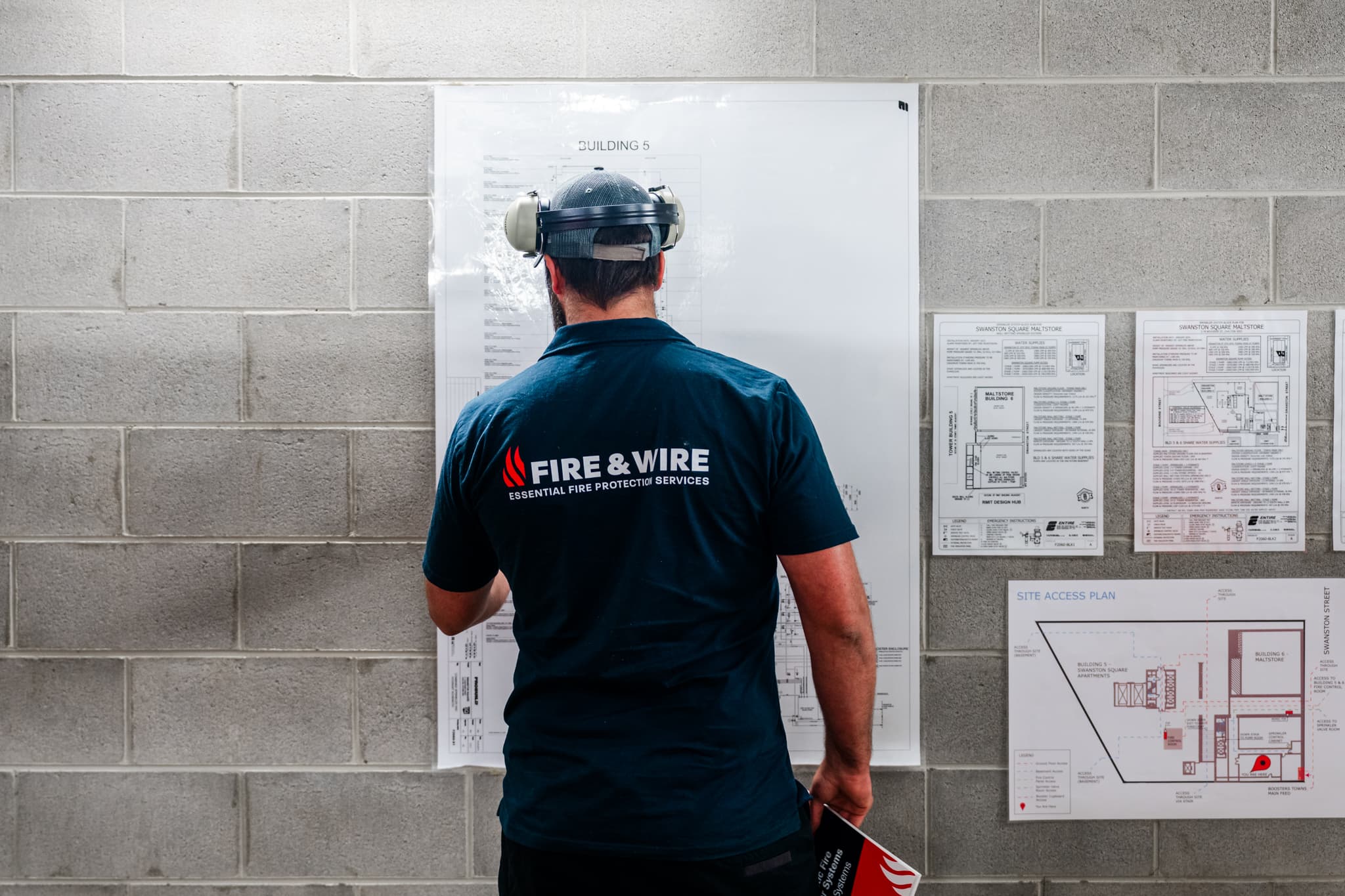
Planning around Live Operations is where most projects win or lose
The biggest mistake in retrofitting isn’t technical. It’s scheduling.
If you ignore how the building actually functions, you create disruption.
We plan around operations.
That means:
Retrofitting fire safety systems isn’t about forcing a building to stop. It’s about working intelligently within how it operates. And when that planning is done properly, something interesting happens.
The “nightmare” of having to disrupt or shut down your building never happens.

Coordinating Stakeholders is just as important as installing the fire safety systems
Fire system upgrades don’t happen in isolation.
There are always multiple stakeholders:
If communication breaks down, projects stall.
So, we approach retrofitting as a coordination exercise as much as a technical one.
That means:
When everyone understands the fire system retrofitting plan, building disruption drops significantly.
And that creates confidence across the entire ESM project.
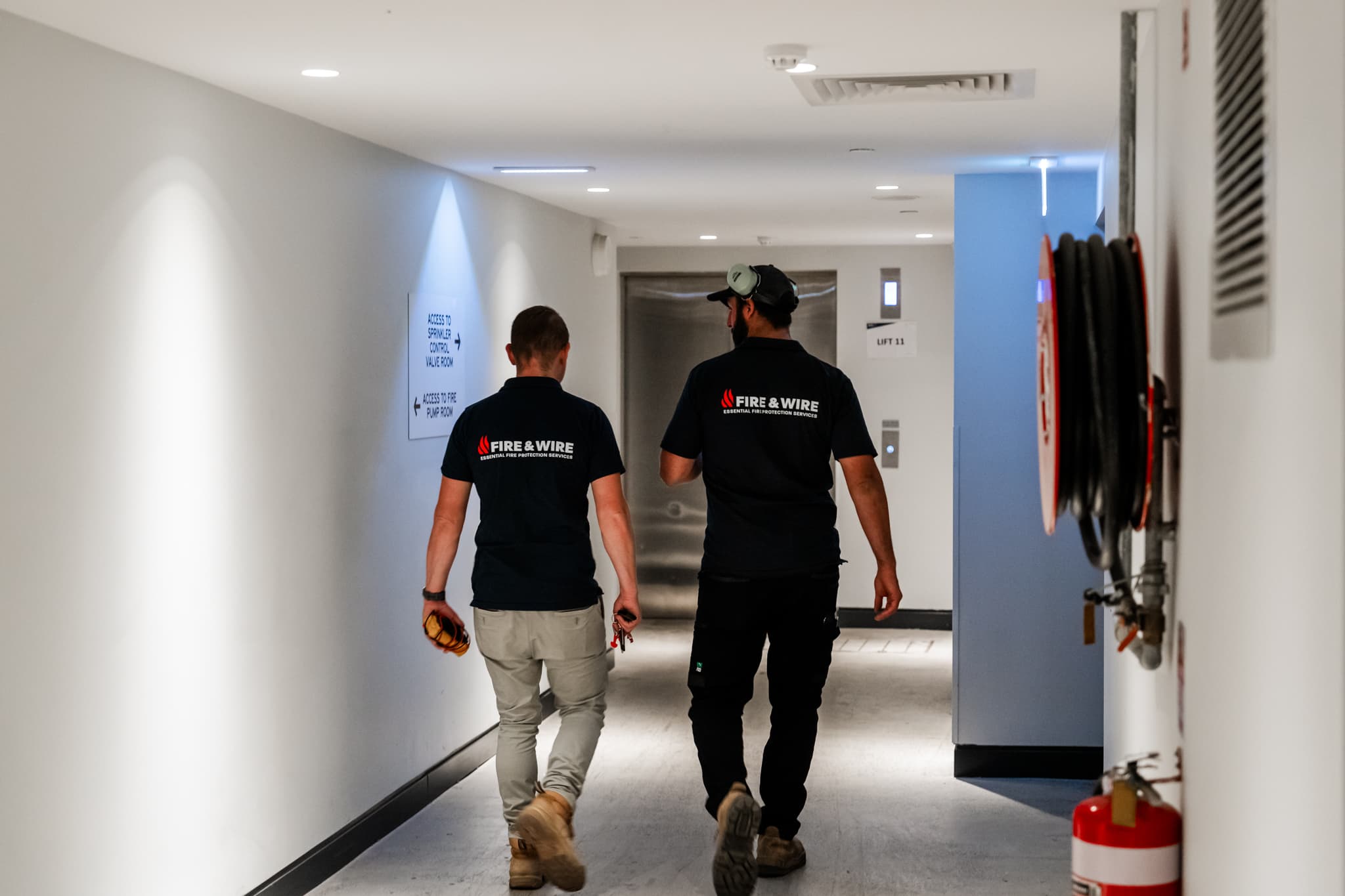
“Will retrofitting fire systems shut us down?” is the question we hear most
It’s always the first question. And it’s fair.
The answer depends on the scope, but in most cases, no. Not if it’s planned properly.
Because we can:
Retrofitting fire systems isn’t about brute force. It’s about controlled sequencing.
Budget and Schedule flexibility matter more than you think
Another common concern with retrofitting fire systems is timing and cost blowouts.
Retrofitting fire safety systems in older buildings can uncover surprises. That’s why flexibility matters.
We design ESM upgrade pathways that allow:
Not every fire safety retrofit needs to happen at once. But it does need a structured fire system maintenance plan.
That’s how you protect both compliance and cash flow.
The Real Benefit: minimal downtime, maximum compliance
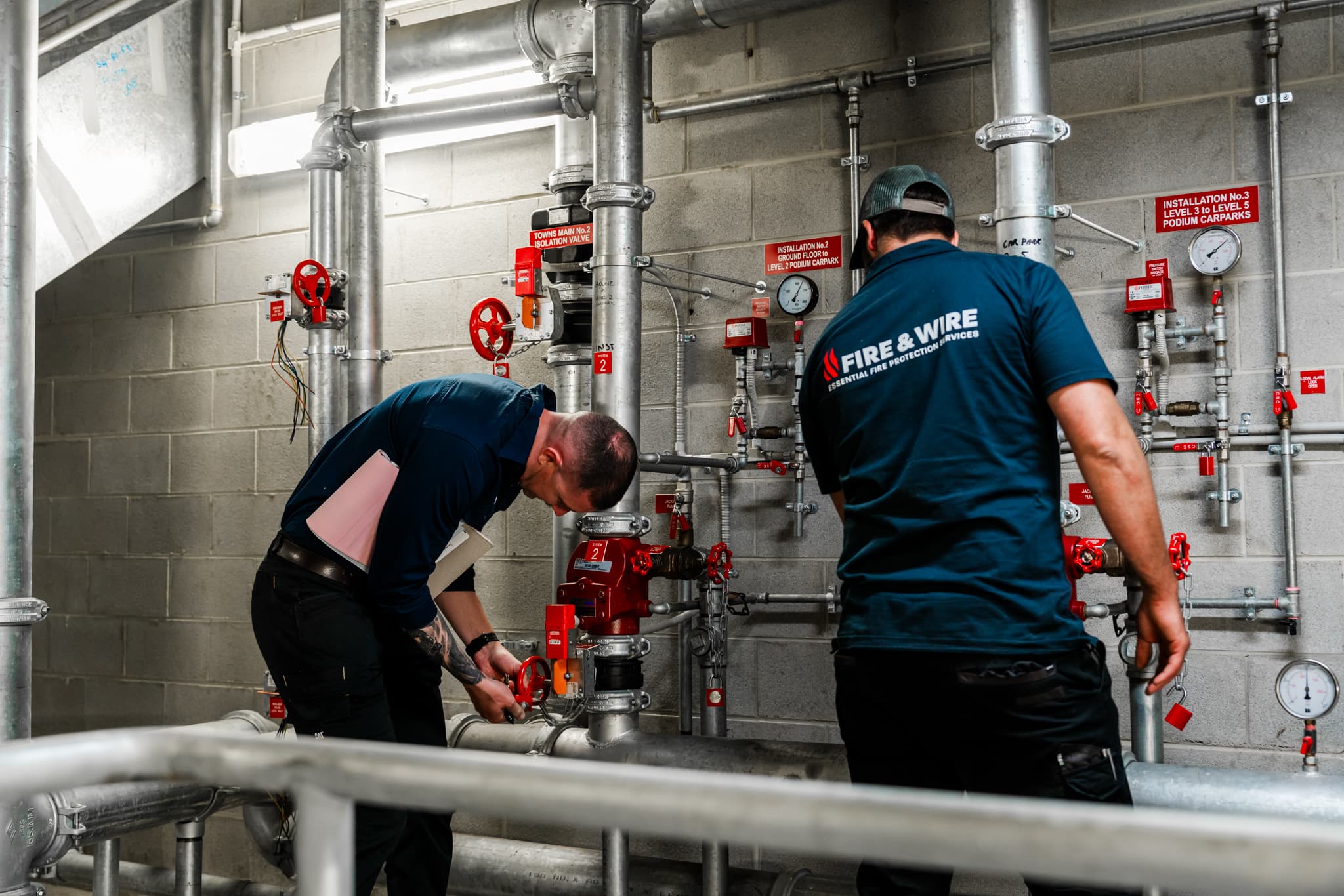
When fire system retrofitting is done well, the outcome is simple:
And often, operations continue with minimal visible disruption.
That’s the part most people don’t expect. Because the assumption is always the worst case. In reality, with structured fire system installation planning, it’s manageable.
Frequently Asked Questions About Retrofitting Fire Safety Systems in Live Environments
Can fire sprinklers be installed while a building is occupied?
Yes. With staged planning, after-hours work and temporary protection measures, most fire sprinkler installations can occur while the building remains operational.
Will retrofitting building fire safety systems shut down our facility?
Not typically with us at Fire & Wire. Proper sequencing and operational alignment allow work to proceed with minimal disruption.
How do building insurers factor fire system upgrades?
Insurers often require fire safety system improvements. Early coordination ensures upgraded fire systems align with coverage expectations. Make sure you speak to your insurance provider.
Can building fire safety system retrofits be staged over time?
Yes. Many projects are delivered in phases to manage budget and operational constraints.
Is fire system retrofitting more expensive than a new installation?
It can involve additional planning, but structured staging often makes it financially manageable compared to major shutdowns.
Ready to upgrade your ESM fire systems without disrupting your operations?
As a Melbourne-based Essential Service Maintenance provider, we understand that your building can’t just pause just because compliance evolves.
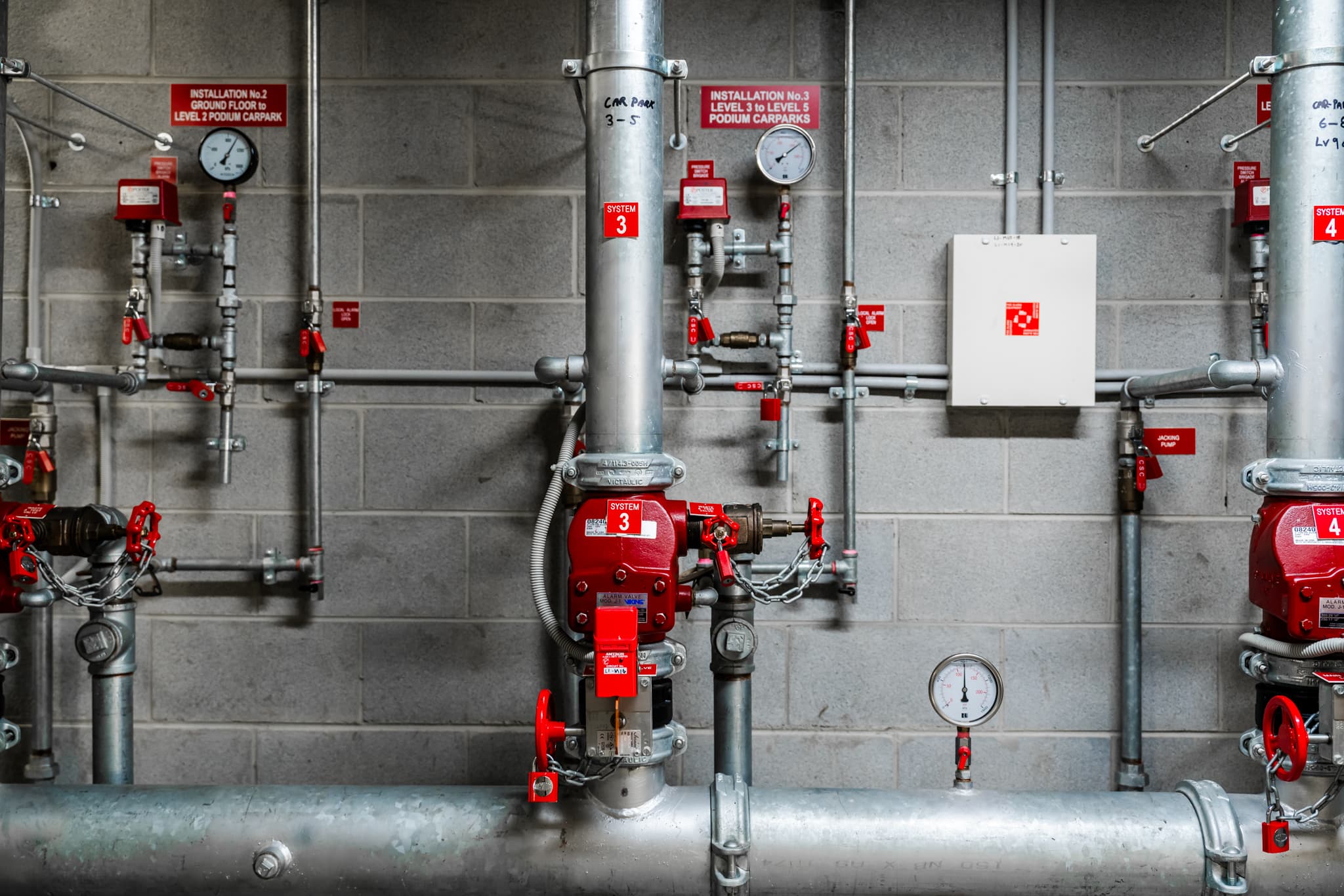
Our experienced Victorian ESM team specialises in retrofitting fire protection systems in live environments with:
If your building requires sprinkler upgrades, fire system retrofits or compliance improvements, let’s plan it properly.
Retrofitting doesn’t have to be disruptive. With the right approach, it’s controlled, coordinated and entirely manageable.
If you’re looking for a fire safety partner that benchmarks itself internationally, aligns with tightening standards and makes contractor vetting simpler, Fire & Wire is your team.
Let’s talk fire safety!
Contact Fire & Wire to learn about how we can upgrade your fire systems without shutting you down.

IN SUMMARY Fire safety servicing doesn’t happen in isolation. Every inspection, repair, defect and equipment change adds another…

By Pryce Sprague IN SUMMARY If you manage a Victorian building with Essential Safety Measures, regular testing and…