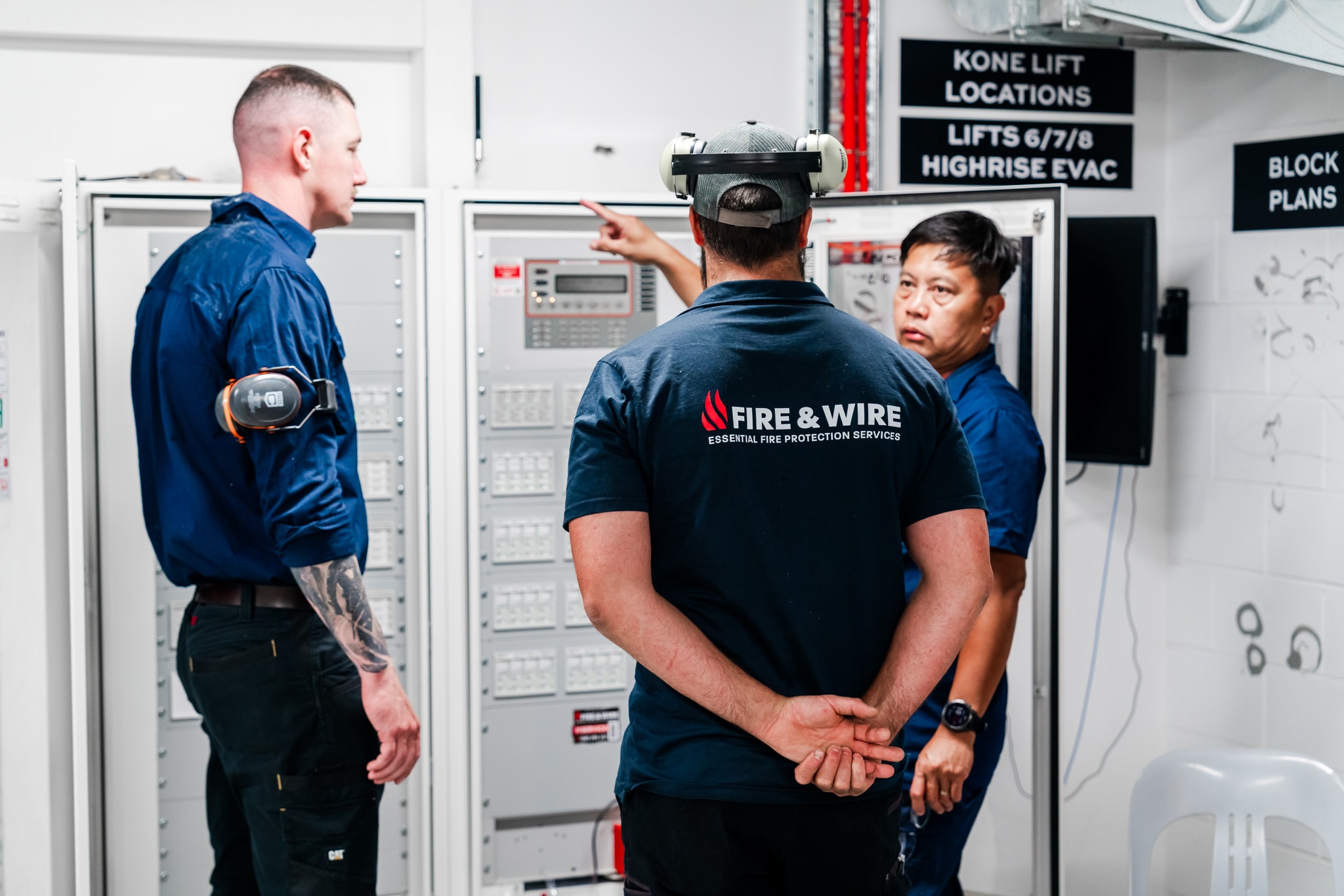
By Pryce Sprague
IN SUMMARY
If you’re a property manager, facility manager or strata manager in Victoria, you’ve probably asked yourself this question at some point: Do I really need a planned fire safety maintenance program or can I just call someone when something goes wrong?
The answer is both – but they’re not equal. And understanding how they work together is what separates a building that’s genuinely compliant and well-protected from one that’s constantly reacting to problems that could have been prevented.
What you’ll learn in this article:
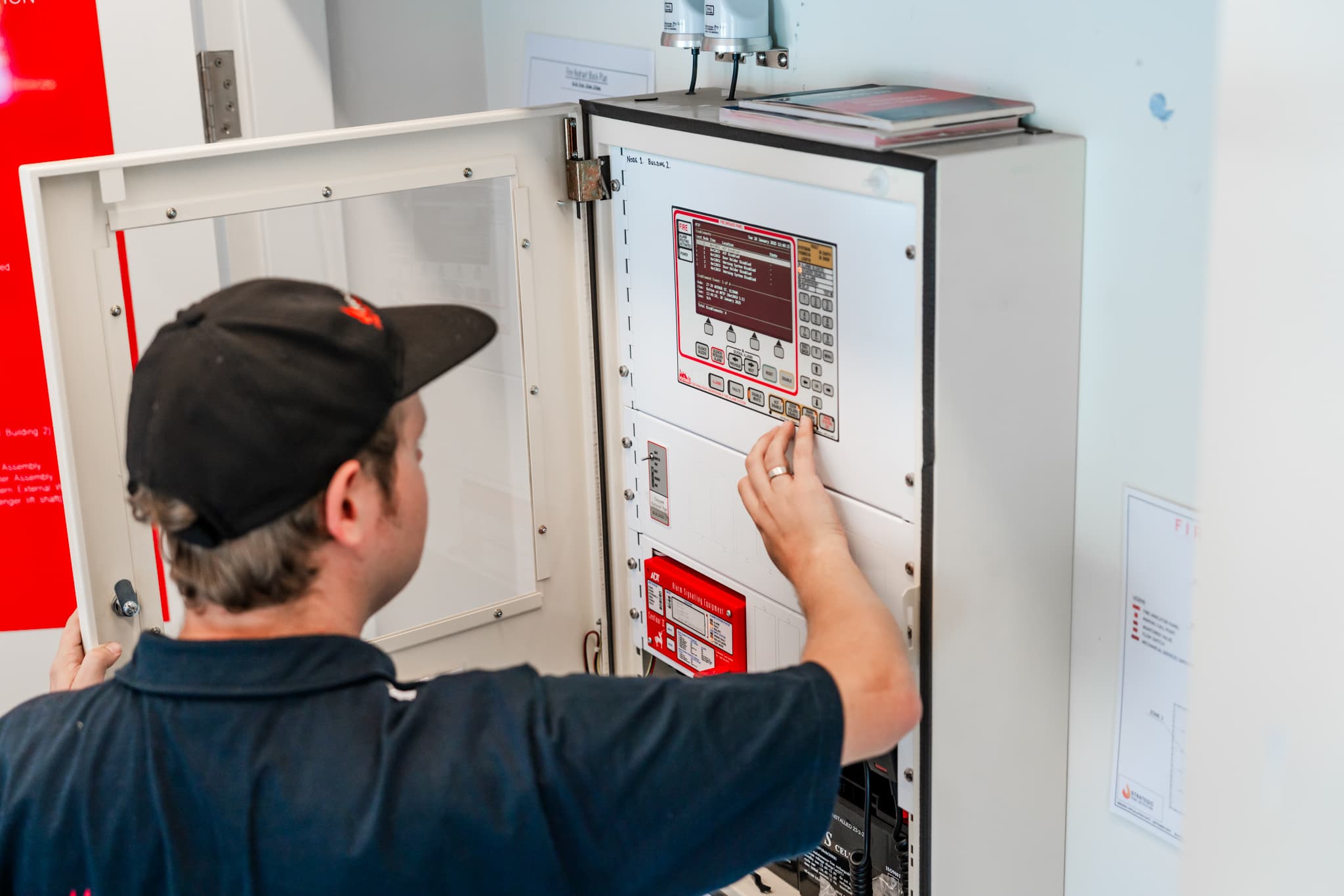
Planned ESM Maintenance vs Emergency ESM Callouts
Most property managers and strata managers in Victoria think about planned fire safety maintenance and emergency callouts as two separate things.
One is the routine. The other is the exception.
But in fire safety and ESM compliance, they're not separate at all.
How well you manage your planned maintenance program directly determines how often you need emergency fire safety response – and what it costs you when you do.
Let’s break down exactly how both work, what actually triggers an emergency callout and which approach genuinely protects your site, your budget and your reputation long-term.
What Is Planned Fire Safety Maintenance?
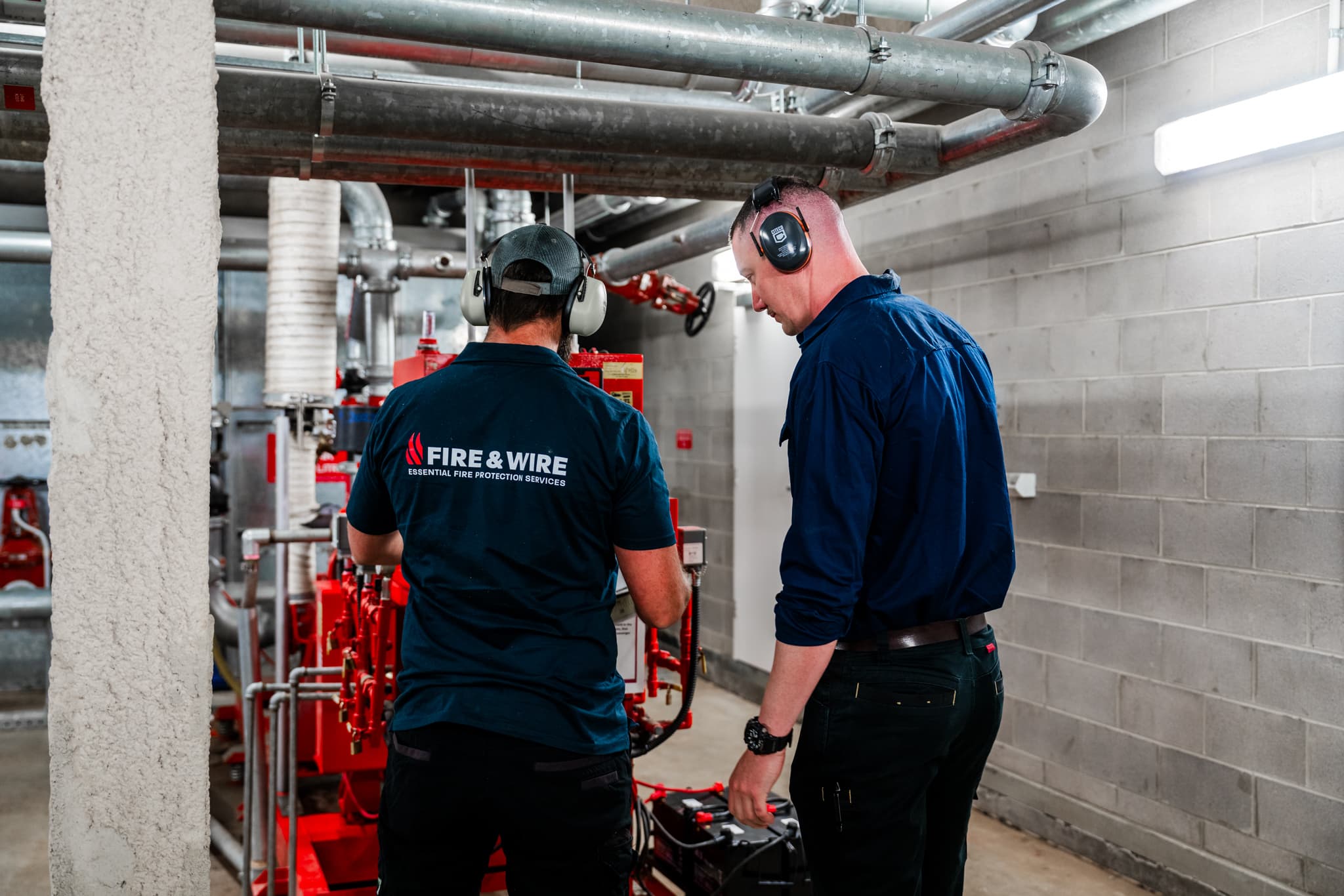
Planned fire safety maintenance – also called routine or preventive ESM servicing – is the scheduled, ongoing program of inspections, testing and servicing that keeps your building’s fire safety systems functioning correctly and compliant with Australian Standards and Victorian regulations.
In practice, this means your fire safety systems are serviced at set intervals throughout the year – monthly, six-monthly and annually, depending on the system and what the regulations require.
It includes systems like:
The goal of planned maintenance is straightforward: to find faults before they become failures.
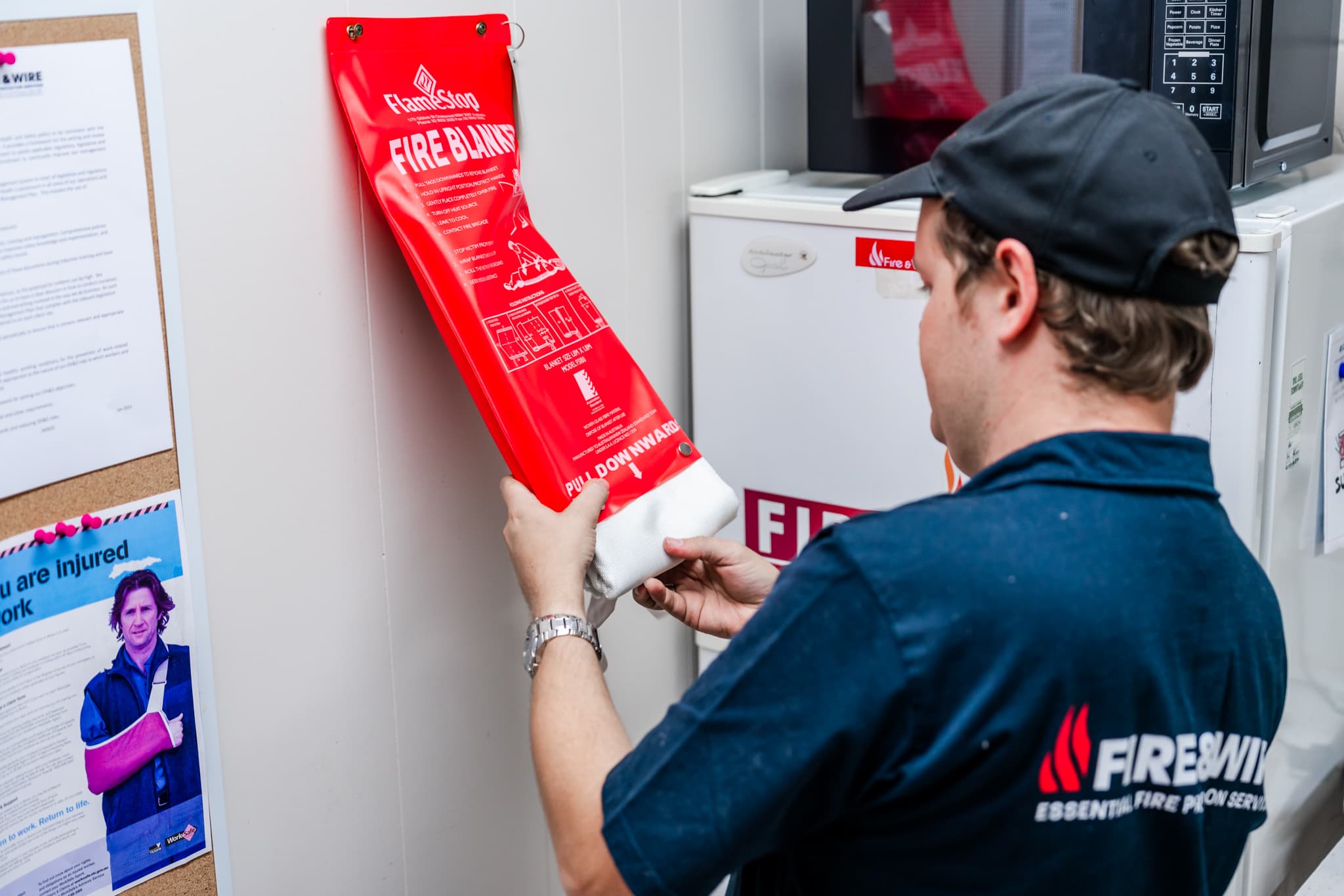
A qualified technician visiting your building on a scheduled program will identify issues – a failing battery, a faulty detector, a door that’s not sealing correctly – while they’re still minor and manageable. Not after they’ve triggered an alarm at 2 am on a Tuesday.
This is the proactive side of fire safety. And it’s not optional – it’s a compliance obligation under the Essential Safety Measures framework in Victoria.
What Is a Fire Safety Emergency Callout?
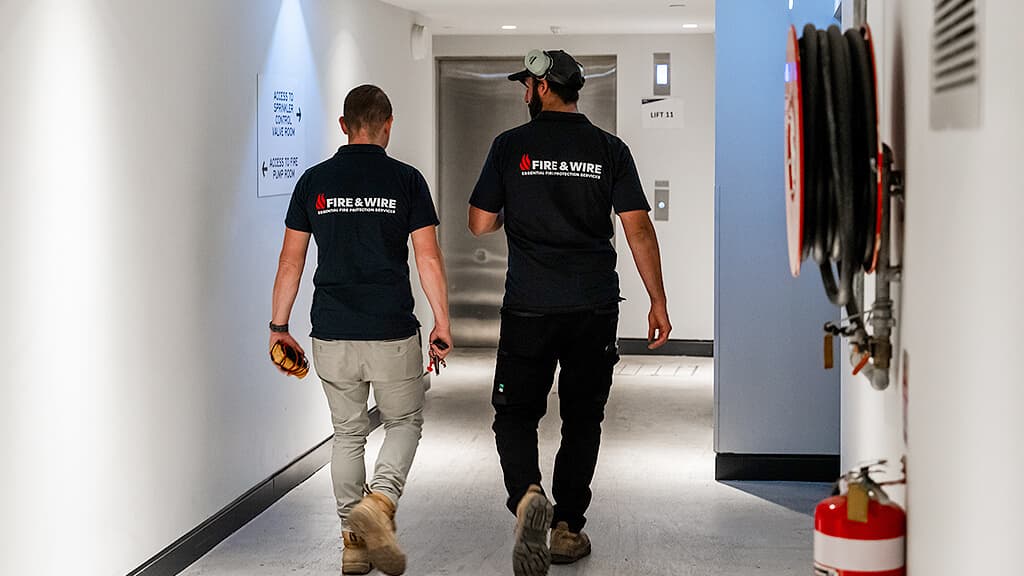
An emergency callout is the reactive side of fire safety maintenance – the response that happens when something goes wrong unexpectedly and needs to be addressed immediately.
It’s worth being clear about what Fire & Wire does during an emergency callout, because this is something that surprises some people when they first ask.
We’re not the fire department. We don’t put out fires!
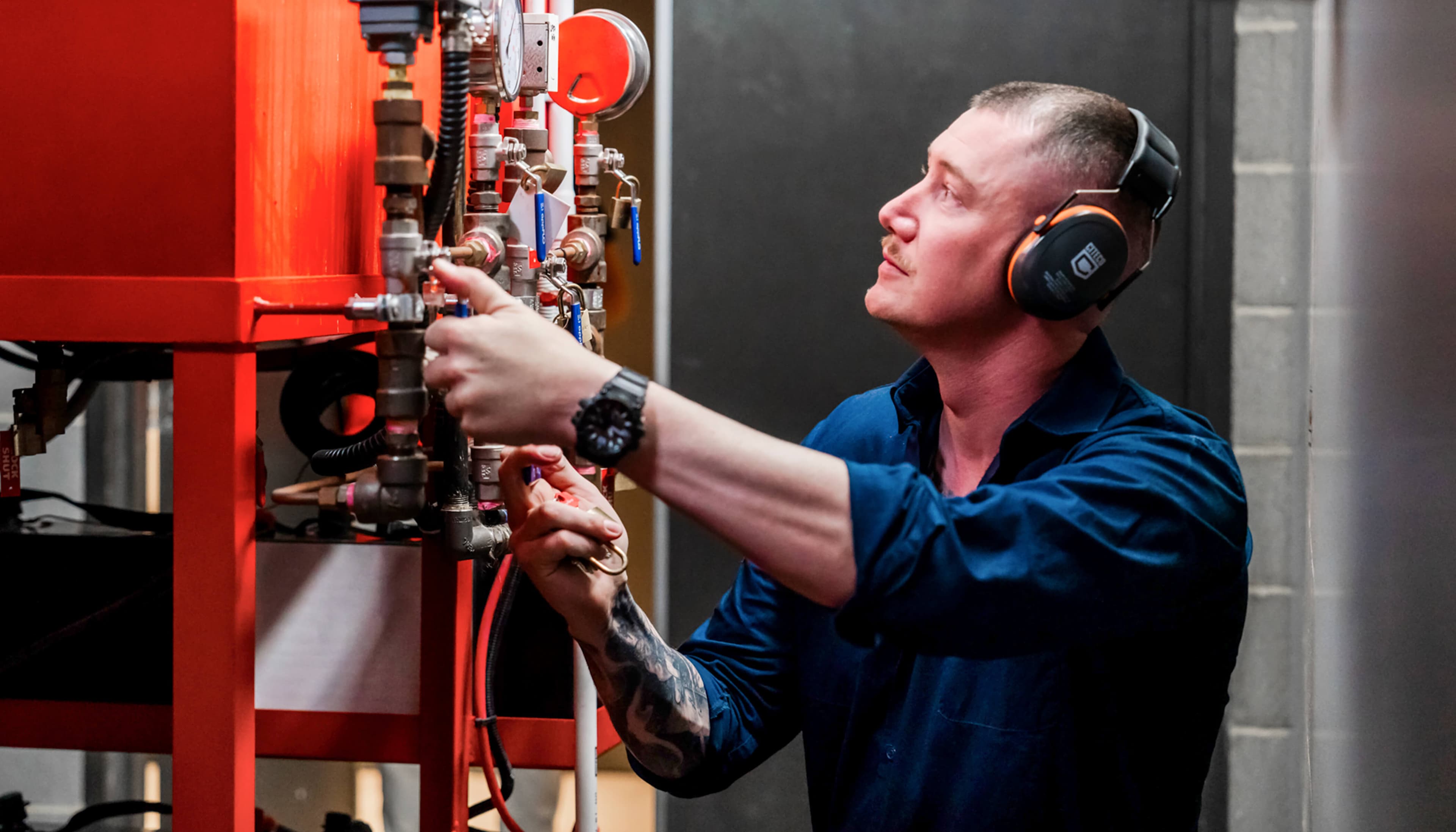
What we do is respond to urgent fire safety ESM system issues – the faults, activations and malfunctions that need an ESM expert on site, fast.
Our 24/7 emergency callout service covers:
When we arrive on site, our Victorian fire safety team conducts an immediate ESM assessment, works to resolve the issue on the spot and provides comprehensive reporting and recommendations to prevent it from recurring.
What Actually Triggers an Emergency Callout?
This is where the conversation gets practical. In my experience, emergency callouts fall into two broad categories – and understanding the difference matters a lot for how you think about budget and risk.
Category 1: Human-caused activations
These are the ESM callouts that happen because of occupant behaviour, not system failure.
These things happen. No amount of planned building maintenance can prevent them, because they’re the result of human decisions, not system faults. They’re, however, a reality of managing any building with multiple occupants.
When these occur, they typically result in the fire brigade being called, an alarm waking residents or workers and an ESM provider needing to attend to restore the system to normal.
The cost of that callout is usually recoverable from the individual at fault, where the evidence is clear.
Category 2: System-caused callouts
These are the callouts that happen because something in the building’s fire safety system has failed – a faulty detector, a battery that’s degraded, a component that’s reached the end of its service life. These are the callouts that proper planned maintenance is specifically designed to prevent.
When a fire system fault occurs because routine maintenance was skipped or done poorly, it’s rarely the fault of one person.
That’s an important distinction when you’re thinking about what planned maintenance actually costs versus what it saves.
The Real Budget Relationship between Planned ESM Maintenance and Emergency Fire Safety Callouts
Planned maintenance won’t eliminate every emergency. People will still burn their toast. Unforeseen circumstances will still occur.
But what it does is dramatically reduce the ESM callouts that happen because of system failure – the ones that were always preventable and that end up being the most disruptive and most expensive.
Here’s what that looks like in practice:
That’s not a compliance checkbox. That’s an active risk reduction program.
And it translates directly into fewer emergency callouts caused by system failure – which means lower unplanned costs, less disruption to occupants and fewer situations where something urgent needs to be fixed immediately at a premium rate.
What’s at Stake with Victorian ESM services Beyond the Budget
I want to make a point here that goes beyond the financial side, because it’s something I see come up a lot with strata managers and property managers.
When a building has a preventable emergency callout, the cost isn’t just the invoice from the emergency response:
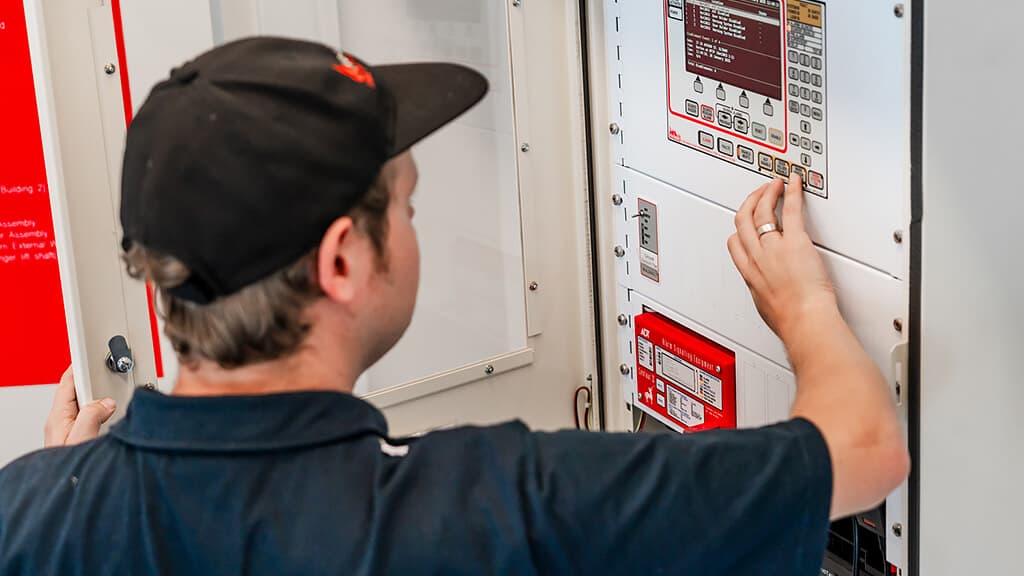
Demonstrating that your Victorian building is on a proper planned fire safety maintenance program – with a qualified, structured ESM provider – is one of the clearest ways to show that you’re doing the right thing proactively.
It protects your site. It protects your budget. And it protects your professional reputation and longevity in that role.
How Fire & Wire Covers Both Planned Maintenance and Emergency Call Outs in Victoria
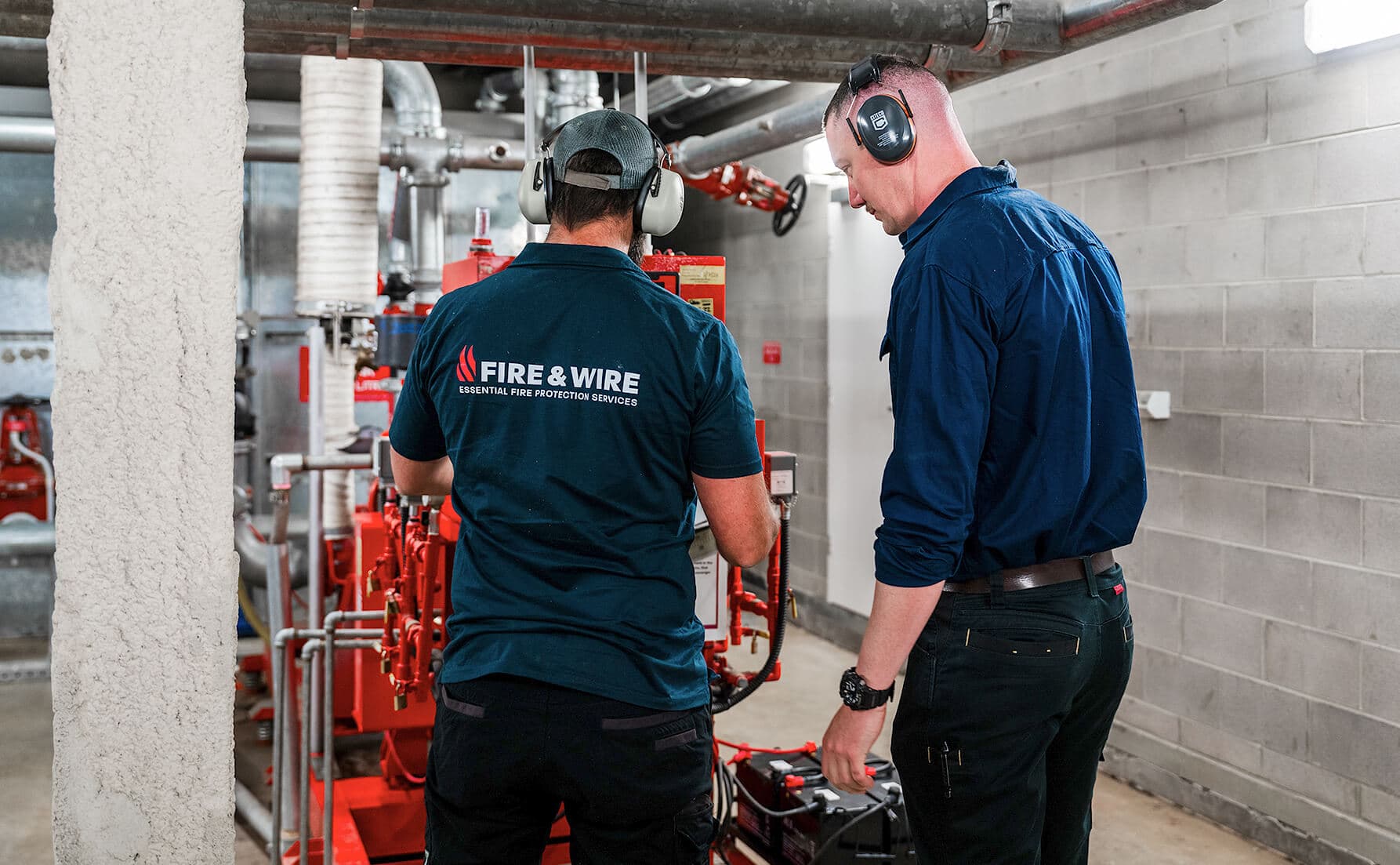
At Fire & Wire, we provide both planned fire safety maintenance and 24/7 emergency callout services – entirely in-house from Melbourne, with the same qualified team across both.
The advantage of having both services with one provider is consistency.
The Melbourne ESM team responding to your emergency callout already knows your building, your systems and your compliance history. That means faster diagnosis, faster resolution and better recommendations to prevent it from happening again.
That’s the Fire & Wire difference: not just reactive when you need us, but proactive every step of the way.

FAQs: Planned ESM Maintenance vs Emergency Fire Safety Callouts
What is the difference between planned maintenance and an emergency callout for fire safety?
Planned maintenance is scheduled, routine servicing of your fire safety systems at required intervals – monthly, six-monthly and annually – to keep systems compliant and catch faults early.
An emergency fire safety callout is a reactive response to an unexpected fault, activation or malfunction that needs immediate attention. Both are part of a complete fire safety program.
Does planned fire safety maintenance reduce emergency callouts?
Yes. Proper planned maintenance, conducted by qualified technicians at the correct intervals, identifies and rectifies faults before they cause system failures. This directly reduces the number of emergency callouts caused by system faults – though it cannot prevent callouts caused by occupant behaviour such as false alarms.
What qualifies as a fire safety emergency callout?
A fire safety emergency callout covers urgent issues with fire safety systems that need immediate attention. This includes fire alarm and detector faults, sprinkler system activations, faulty or non-operational fire safety equipment and evacuation-related malfunctions. It doesn’t include the fire brigade’s role of attending to actual fires – that is a separate function.
How often should fire safety systems be serviced in Victoria?
Under Australian Standards and Victorian Essential Safety Measures regulations, fire safety systems are typically serviced monthly, six-monthly and annually depending on the system. Fire alarms, sprinklers, extinguishers, emergency lighting and other essential safety measures all have specific testing intervals that must be met for compliance.
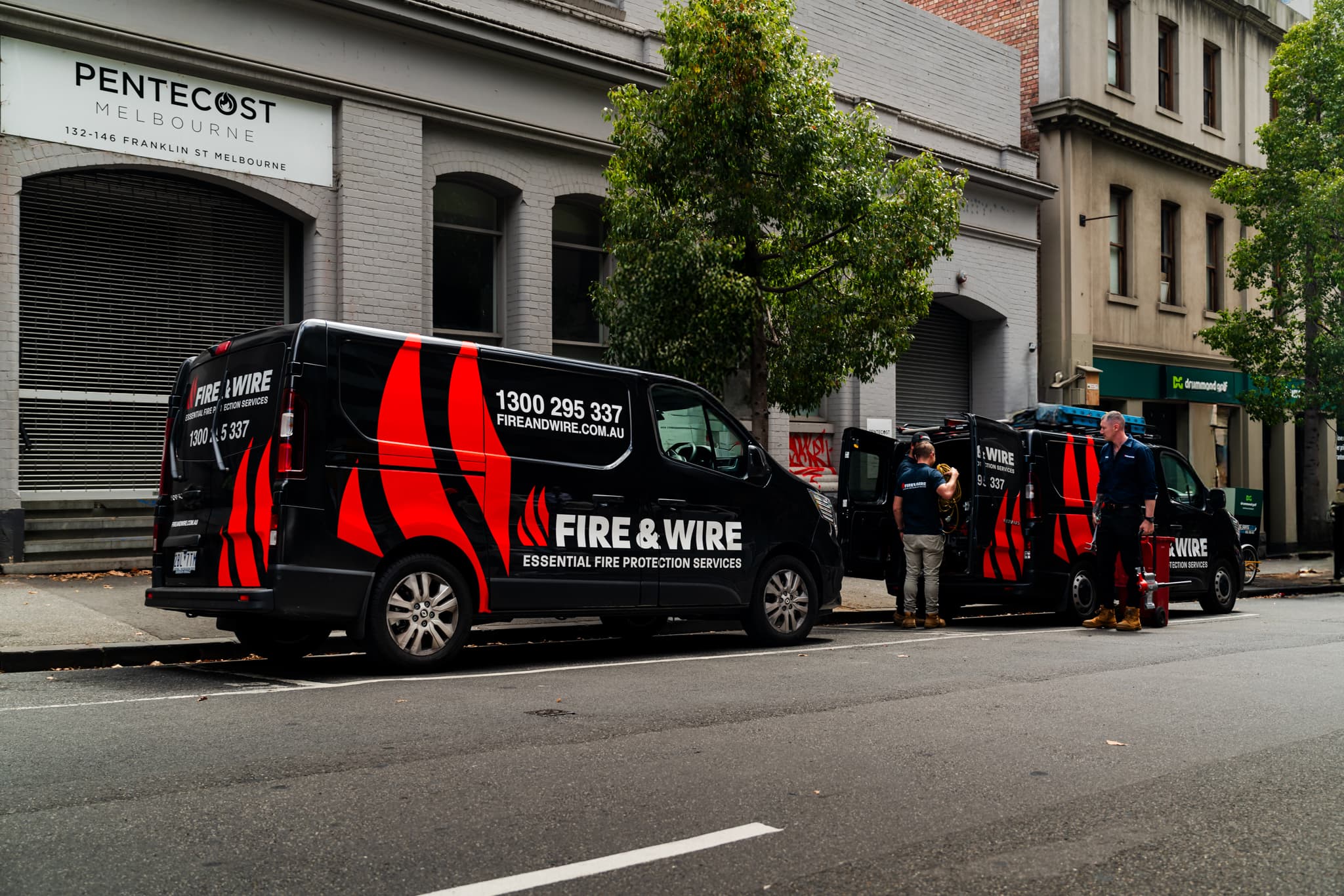
Ready to Protect Your Site, Budget, People and Reputation with the Right ESM Program?
As Melbourne’s trusted Essential Service Maintenance provider, Fire & Wire helps property managers, facility managers and strata managers across Victoria stay on top of both planned maintenance and emergency response – with one consistent, in-house team.
Our experienced Victorian ESM team supports building owners and property managers with:
If you’re reviewing your current ESM program or looking for a provider who covers both planned servicing and emergency response, we’re here to help you build a fire safety program that genuinely protects your building – proactively and reactively.
Let’s talk fire safety!
Contact Fire & Wire and let’s talk about how we can support your essential safety measures compliance in Victoria with clarity and confidence.

IN SUMMARY Fire safety servicing doesn’t happen in isolation. Every inspection, repair, defect and equipment change adds another…

By Pryce Sprague IN SUMMARY If you manage a Victorian building with Essential Safety Measures, regular testing and…