By Pryce Sprague
IN SUMMARY
If you manage a Victorian building with Essential Safety Measures, regular testing and reporting are already part of the job. But what happens after a fire safety report identifies a fault is where things can become more complicated.
At Fire & Wire, we see reporting as only one part of the process – identifying a problem is most useful when there’s a clear pathway for what happens next.
Victorian building managers can be left holding a service report with a list of failed items and no clear pathway for rectification. That's usually the moment a second contractor gets called in, a new quote gets requested and the whole process slows down.
For property managers, facility managers and strata committees, the real question isn't whether your provider can find a fault. It's whether they can fix it too.
What you'll learn in this article:
Keep reading to understand why the real value of a fire safety report starts with what happens after it lands in your inbox.
Let's start with the report itself.
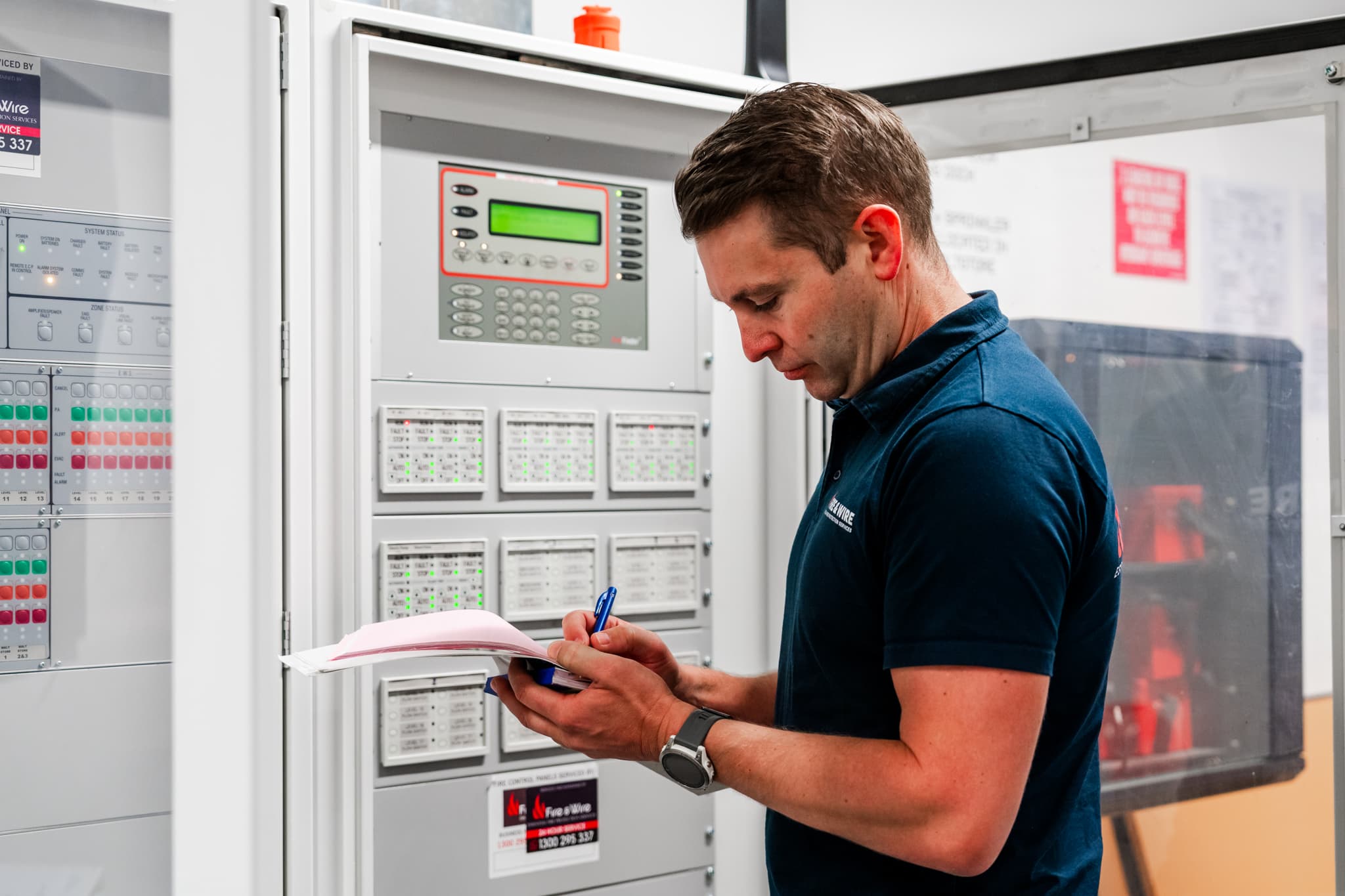
A building’s fire safety service report records what has been tested and what the outcome was. As part of monthly or six-monthly testing, an asset may be recorded as having passed, failed or having a non-conformity.
That gives the person managing the building a practical view of what passed, what failed and what may need attention next.
There’s also the Annual Essential Safety Measures Report (AESMR), which sits at a different point in the process. It’s prepared annually to confirm that the building’s required Essential Safety Measures have been inspected, tested and maintained in accordance with the applicable requirements.
The important thing is that these reports aren't the end of the process. If something has failed, the next question is what needs to happen to put it right.
For this article, though, we’re mainly talking about the routine service reports where faults, non-compliance and non-conformities are first identified.
This is where things can become more complicated.
Imagine your fire safety report comes back with three failed items. You now know what's wrong, but you may still need to find out:
Testing fire safety equipment requires the right knowledge. Rectifying what has failed can require different skills, qualifications and trades.
And that’s the key difference we're exploring here.
Finding a problem and helping to resolve it aren't necessarily the same thing.
Fire & Wire's fire system service and maintenance approach brings testing, reporting, repairs and replacements together through its in-house team.
That means the conversation doesn’t have to stop at: “This failed”.
It can continue to: “This failed. Here’s what needs to happen next”.
This is where a seemingly simple fire safety report can create more work for the person managing the property.
If the servicing provider can’t undertake the repair, the process may look something like this:
None of those individual steps sounds particularly dramatic.
Together, however, they mean more administration, more people involved and more time spent moving one defect from identified to resolved.
(You can also read these additional questions you can include in your fire safety checklist)
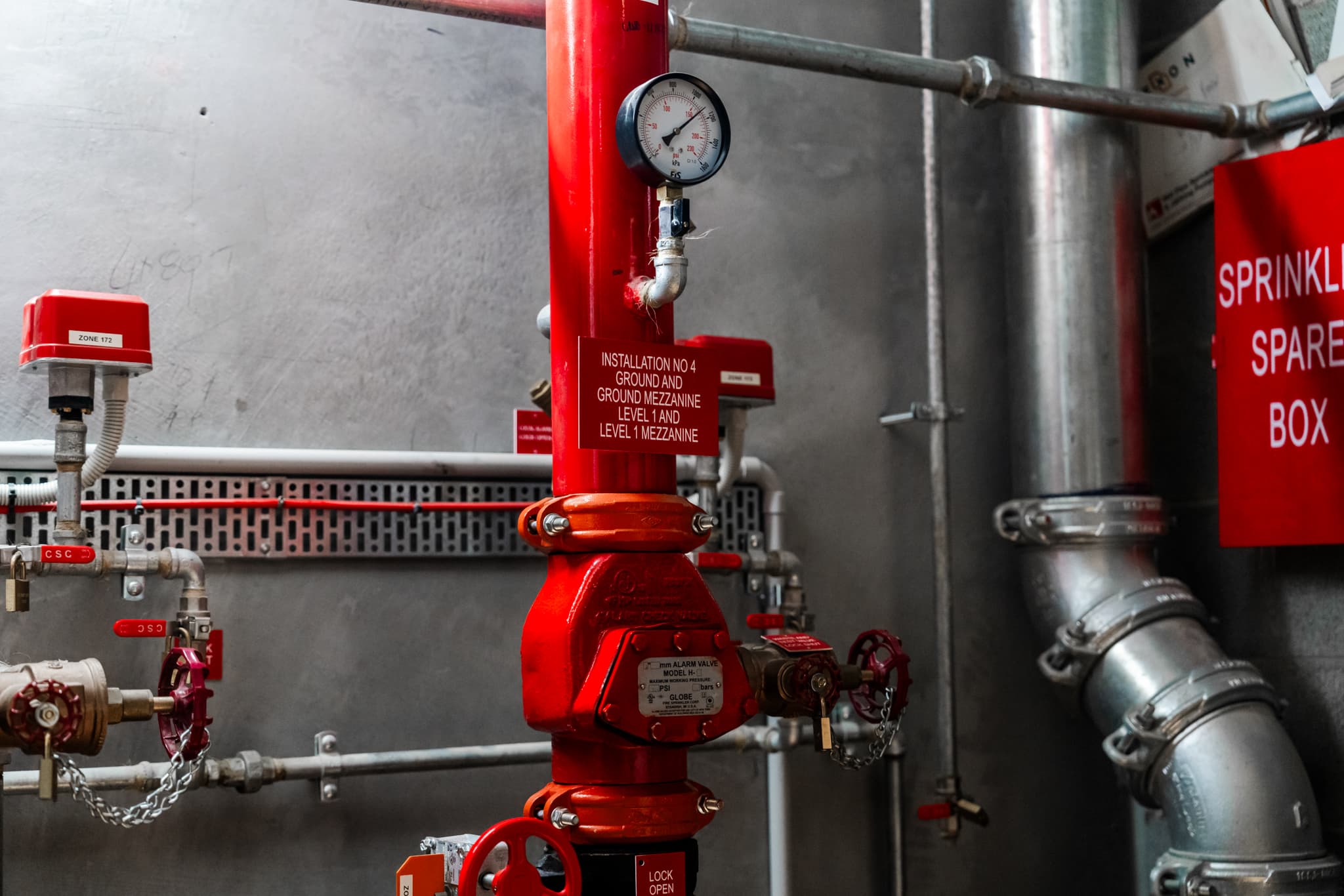
Building and facility managers in Victoria have budgets to manage.
We understand that.
At Fire & Wire, maintaining qualified, trained people and relevant trades in-house forms part of our operating cost.
But the servicing invoice is only one part of the picture. And different ESM providers may provide different quotes.
If another provider identifies a failure but needs to arrange an external contractor to resolve it, the eventual cost may also involve additional labour, external contractor costs or margins and further site attendance.
Then there’s another cost that doesn’t always appear on an invoice: your time.
Time spent:
That doesn’t mean the cheapest servicing provider is automatically the wrong choice.
It means it’s worth understanding the entire service pathway before comparing providers on the initial figure alone.
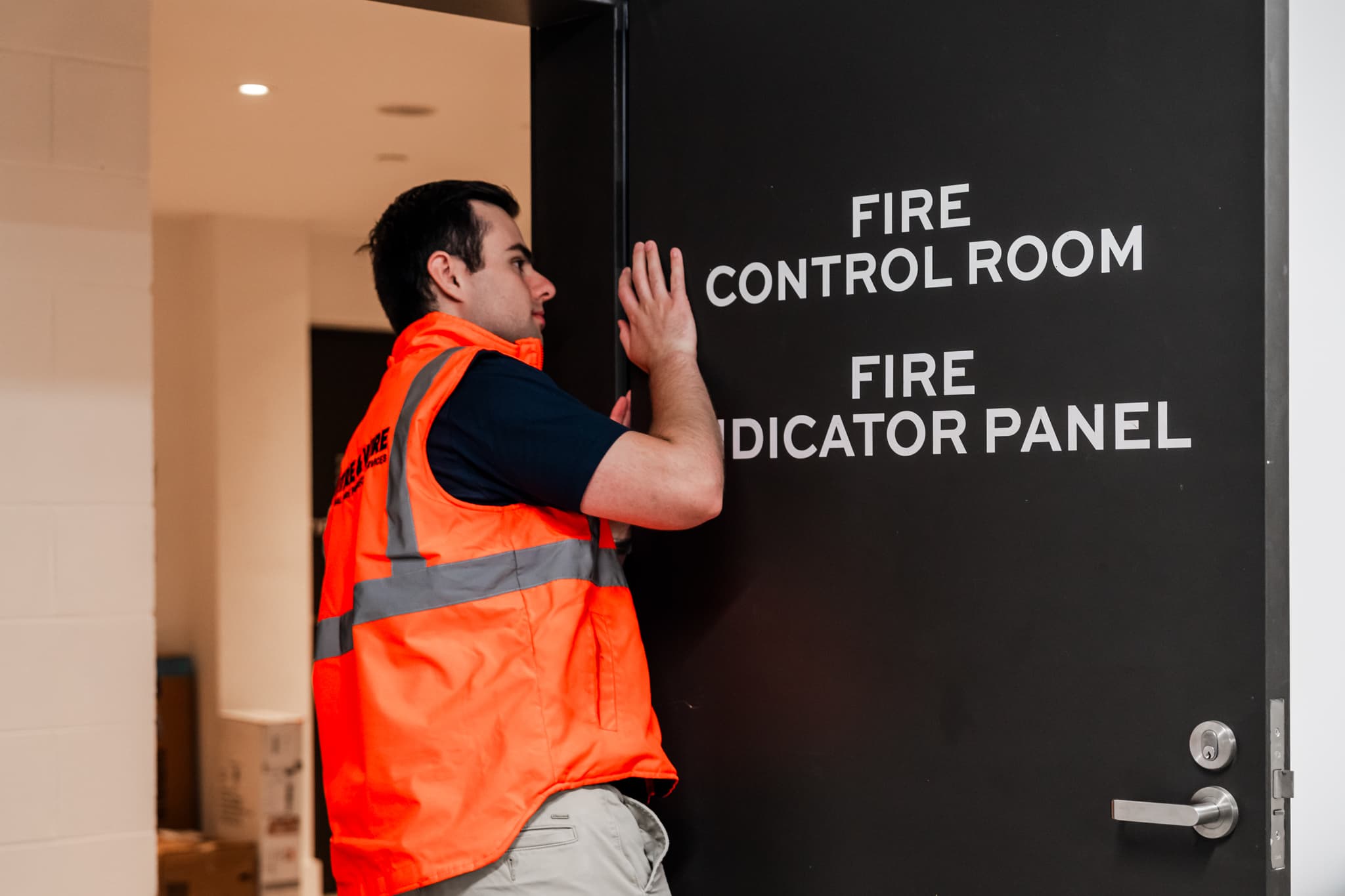
When reviewing an ESM provider in Victoria, don’t only ask how much the servicing costs.
Ask what happens when the servicing finds a problem.
A few useful questions include:
The answers help you understand whether you’re simply receiving an inspection report or working with a provider that can also help manage what happens after a defect is identified.
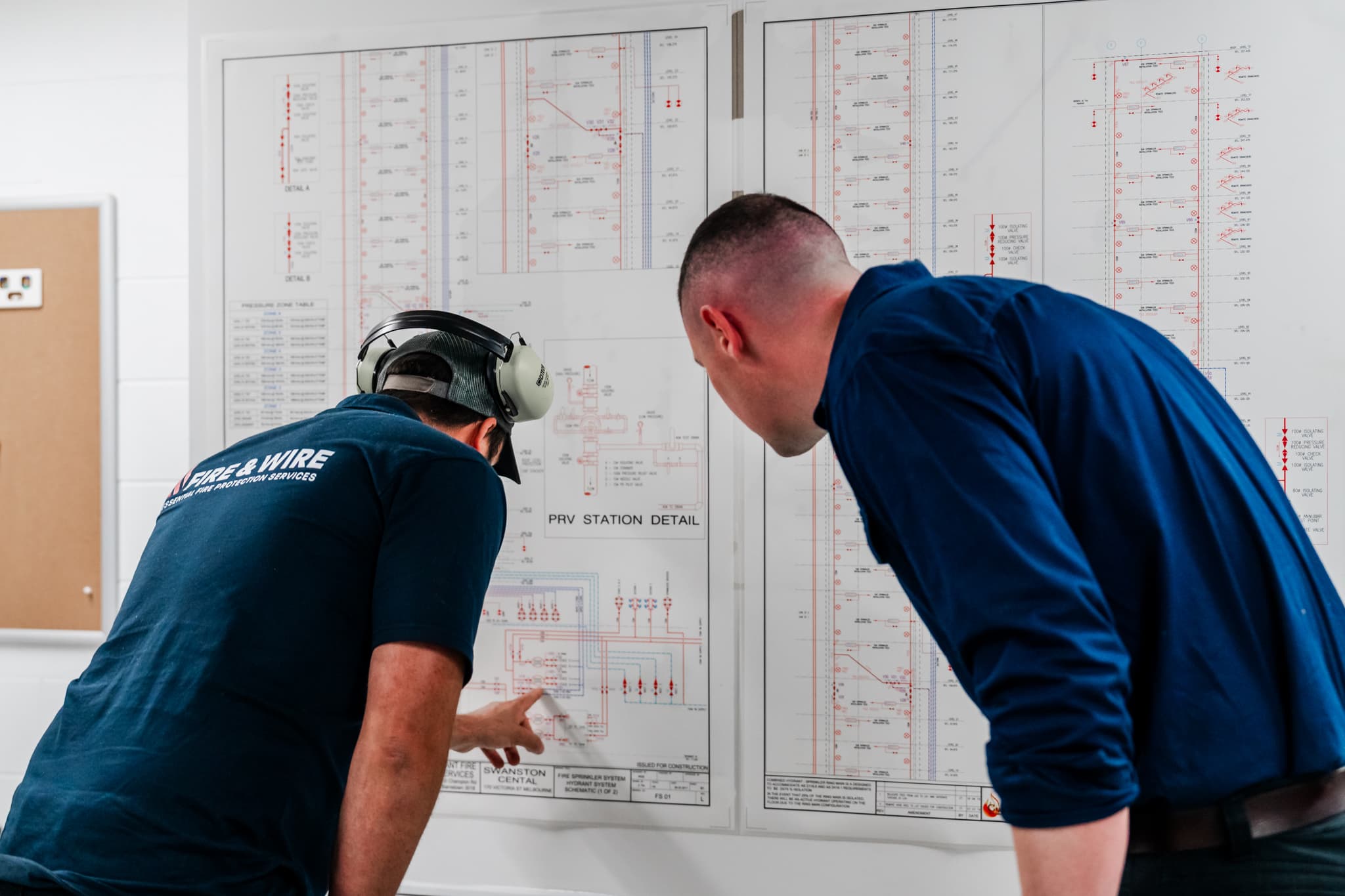
One of the ways we try to make this process easier is by connecting the fire safety report with the next action.
If we’re servicing a Victorian building and identify that emergency lighting has failed, equipment needs replacing or another issue requires rectification, we can provide relevant pricing alongside the service reporting where appropriate.
Our integrated ESM approach brings fire safety services together under one roof, helping reduce unnecessary handovers between different contractors.
The client can see:
That gives the building manager a much clearer pathway.
It’s a straightforward difference, but an important one: a report should create clarity, not another task list.
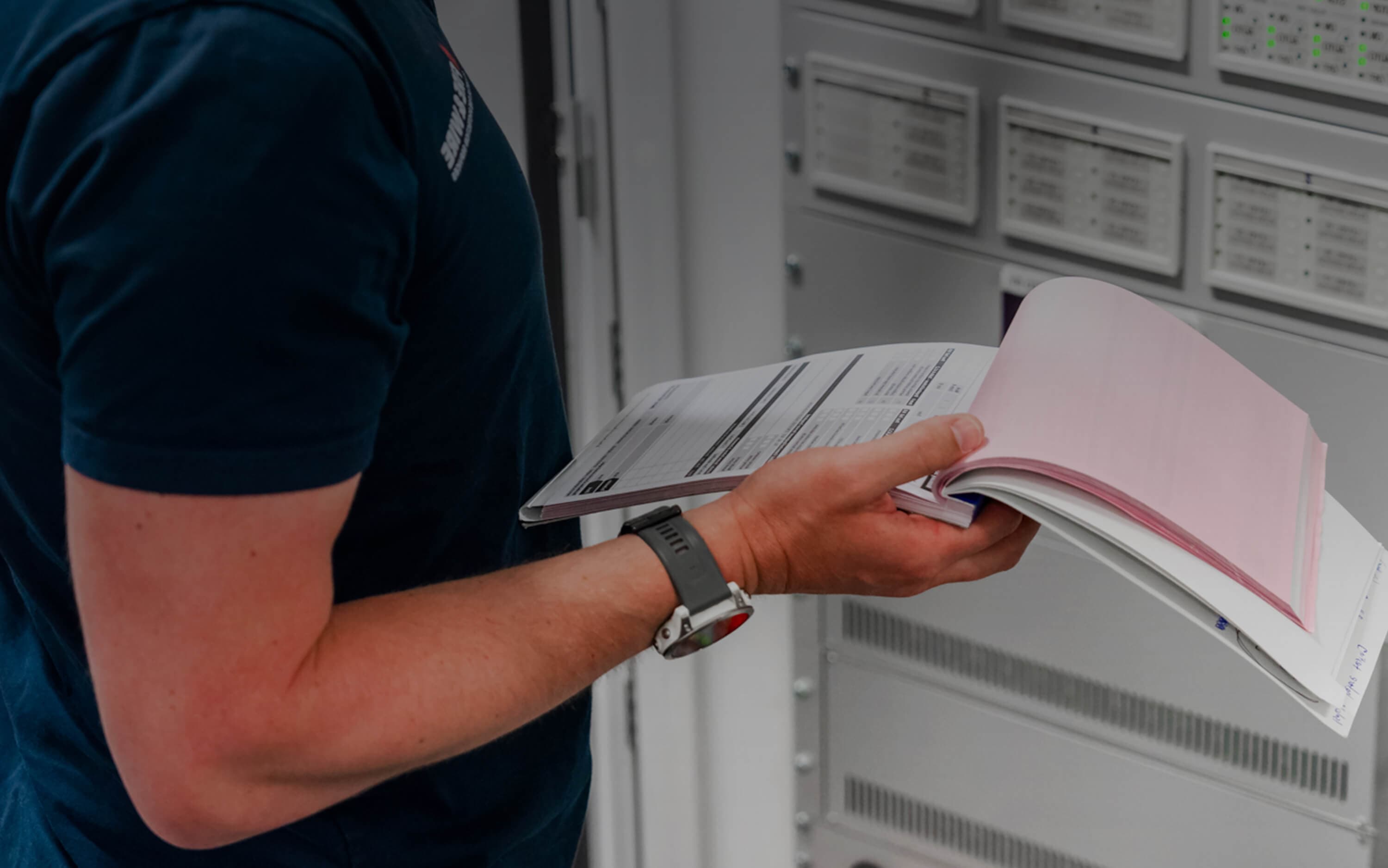
1. What should I do when a fire safety report identifies a defect?
Start by understanding exactly what failed, what rectification is recommended and whether your existing ESM provider can complete the work. A good ESM provider should be able to explain the issue clearly and outline the practical next step rather than leaving the building manager to interpret a technical report alone.
2. Does the company inspecting my fire safety equipment have to repair it as well?
Not necessarily. Some ESM providers specialise in inspection and servicing, while rectification may require other qualified trades or contractors. The important thing is understanding the provider’s capability before defects arise, including who will arrange and complete any required repair work.
3. Can a cheaper Victorian ESM servicing provider cost more later?
It can, depending on what’s included. If defects require separate contractors, additional labour, another site attendance or subcontractor margins, the overall cost may end up looking quite different from the original servicing figure. That’s why it’s worth comparing the complete service pathway, not only the upfront price. At Fire & Wire, where rectification is required, we can provide relevant defect pricing alongside the service reporting so clients can see the next step early.
4. Does Fire & Wire repair what it finds or just report on it?
Both. At Fire & Wire, our in-house team includes A-Grade electricians, licensed sprinkler fitters and FPAA qualified technicians, so we can complete most rectification work ourselves rather than bringing in a subcontractor. That means clients can move from identifying the issue to organising the rectification through the same team where appropriate.
Explore our Fire Safety Report service at Fire & Wire.
A fire safety report is valuable because it tells you what’s happening in your building.
But identifying the issue is only the beginning.
The real value comes from understanding what needs to happen next and having a practical pathway to get the problem resolved.
At Fire & Wire, our in-house capability allows us to support clients in Victoria from servicing and reporting through to relevant rectification work where required. That means fewer handovers, clearer accountability and less time spent coordinating separate contractors.
If your current fire safety reports are identifying problems but leaving you unsure what to do next, it may be worth reviewing the complete process.
Let's talk ESM servicing and rectification!
Contact Fire & Wire today to discuss your fire safety servicing, reporting and rectification requirements.

IN SUMMARY Fire safety servicing doesn’t happen in isolation. Every inspection, repair, defect and equipment change adds another…
By Pryce Sprague IN SUMMARY Fire safety appears on almost every strata committee agenda. The challenge is that…